


SEO for SaaS Startups: How to Drive Organic Business Growth
,
February 16, 2026
Launching a Software-as-a-Service (SaaS) product is difficult. But getting the right people to find it is even harder.
Search engine optimization (SEO) helps you reach potential buyers who are already looking for a solution that your SaaS product offers. They already have a credit card in hand and are ready to purchase.
If your website does not show up in the search results, your competitors win by default.
In this SaaS SEO guide, we'll share actionable strategies to capture the right traffic, turn visits into demos, outrank your competitors, and boost revenue through organic search.
TL;DR
- SEO for SaaS startups is the process of attracting high-intent users from search engines and converting them into demos, trials, and paying customers.
- Search engine optimization is important because users search before they buy. If you do not appear in the search results, competitors win those customers by default.
- A solid SaaS SEO strategy starts with clear goals and KPIs tied to conversions, followed by technical SEO, keyword research built around user intent, content creation, and link building.
- If you need expert help executing and scaling your SEO strategy, ABHMedia is a SaaS SEO agency that can turn organic search into a profitable growth channel.
What Is SaaS SEO?
SaaS SEO involves optimizing your SaaS website so that it ranks higher and appears in search engine results, like Google or Bing.
According to Backlinko, the number one result in Google’s organic search engine results page (SERP) has an average click-through rate (CTR) of 27.6%.
In simple terms, it implies that out of 100 people who see your site on search engines, 27 people click on it. Every user who visits your site can be a potential customer.
But SaaS SEO should impact more than website traffic. The goal is to match search intent with web pages that lead to more sign-ups, trials, demos, and paid users for your SaaS solution.
SaaS SEO involves different search optimization techniques, such as keyword research to find what buyers search for, content creation to answer search queries, and link building to increase site authority. It also requires a SaaS-focused approach.
Over time, these methods help software companies build an organic growth channel through high-intent search traffic.
SaaS SEO vs. Traditional SEO: What's The Difference?
To be clear, SaaS SEO is still SEO. The rules of search engines do not change. Google does not treat SaaS websites differently.
But the way you implement SEO on SaaS websites should change.
Traditional SEO often focuses on simple goals like page views, website traffic, or quick sales. And it usually ranks local businesses or e-commerce products, not software.
Unlike traditional SEO, SaaS SEO addresses long buying cycles, solution-focused search intent, and technical decision-makers.
People rarely sign up for software on the first visit. They research problems, compare different SaaS solutions, and look for proof before acting.
Due to this, a successful SEO strategy requires you to guide users through a multi-stage buyer journey, from product discovery to evaluation.
At the same time, SaaS SEO should create valuable content that solves an individual's specific challenges.
It also ties SEO efforts to sign-ups, demos, and revenue instead of traffic or other vanity metrics.
Do SaaS Startups Need SEO?
Yes, your SaaS startup needs SEO if you want to reach the right people online.
When someone looks up a problem your product solves, they usually start on Google or any search engine.
If your website does not appear in the SERPs, they go to a competitor's site instead. This leads to lost demos, sign-ups, and revenue.
SEO helps SaaS businesses show up at the right moments, not just for brand names, but for problem-based, feature, and comparison searches made by buyers ready to act.
Let's look at this case study as an example.
Denser, an AI-powered chatbot and a knowledge management solution, operates in a cutthroat industry where its competitors already had a strong SEO foundation.
At the outset, Denser had zero SEO presence. That means no organic visibility or rankings.
After implementing an SEO strategy with the help of ABHMedia, Denser was able to reach 160 clicks per day on average. Within just five months, they achieved an estimated $77,000/year SEO traffic value.
Denser also outranked larger competitors for critical search queries by earning a #1 ranking on the keyword “How to Train ChatGPT on Your Own Data," which has a high $10–$15 cost per click (CPC) value.
If you want to replicate these results for your SaaS startup, you can book a free strategy call.
Key Benefits of SEO for SaaS Companies
Here are the advantages of using SEO for your SaaS business.
Drive Sustainable Growth
SaaS SEO drives consistent and qualified organic traffic to your website, which supports steady SaaS growth.
Each blog article you publish boosts online visibility and attracts users long after the content goes live.
As your SaaS website gains authority, your web pages also start showing up more often and in more places. Your site also appears not just for a target keyword, but across related searches.
This creates a compounding effect that does not disappear after an SEO campaign ends. It's important if you don't have the budget to run paid ads and want to make every effort to grow stronger in the long term.
Boost Revenue
SaaS SEO brings in users who are closer to buying. These are people searching for specific problems, features, or tools.
When you create content that matches a buyer's intent, you can boost rankings in the SERPs.
Ranking high for the relevant keywords can drive more sign-ups, demos, and paid users every single month.
A well-executed SEO strategy turns search into a profitable growth channel, not just a traffic source.
Reduce Customer Acquisition Costs
One of the biggest benefits of SaaS SEO is lower customer acquisition costs (CAC) over time. That’s because search optimization remains effective without ongoing spending.
With pay-per-click (PPC) ads, costs rise as the competition increases. As more SaaS companies bid on the same keywords, the cost per click goes up.
To get more traffic, you must either raise bids or expand spending on competitive keywords. Traffic drops to zero the moment you stop PPC campaigns.
SaaS SEO does not work that way.
When your web pages rank in organic search results, they keep attracting users without extra cost per click. Each site visitor does not increase spending or investment.
In fact, an Optifai Sales Ops Benchmark 2025 study found that inbound marketing channels (SEO and content) deliver a low CAC of $200. In comparison, paid advertising has a high CAC at $350.
SEO significantly reduces the money you spend to acquire a new customer. It's especially important for SaaS startups that have lower ticket sizes and want to be profitable in the long run.
Build Long-Term Brand Authority and Trust
SaaS SEO does not simply drive traffic or revenue. It also shapes how people view your SaaS business even before they create an account or enter payment details.
Strong SEO blog content shows that you understand your users, which can build trust. Clear guides, honest comparisons, and detailed product pages all signal credibility.
Prospects will eventually see your SaaS company as a reliable and trusted source, not just another tool.
This trust carries throughout the marketing funnel. New users arrive with clearer expectations. Sales calls feel warmer. Support requests are easier to handle because customers have already learned from your content.
Core Pillars of SaaS SEO
SaaS SEO involves many moving parts. But at its basic level, it comes down to how your site works, what content you publish, and who links to you.
These SEO pillars form the foundation that helps increase organic traffic and improve the user experience. And when these pieces work together, SEO becomes easier to manage and scale for your SaaS startup.
SaaS Website
Think of your website as the engine of a vehicle. It is designed to drive qualified leads, SaaS sales, and long-term success.
Without optimizing your website for SEO, writing high-quality content and targeting relevant keywords won't yield the best results.
Even if your efforts do translate to results, they won't be able to reach their full potential.
Why? Because Google and other search engines will find it hard to read and understand your content if your site has technical issues.
Google needs to crawl and index your web pages. That means your robots.txt, sitemap, internal links, and canonical tags must be set up right.
If important pages are blocked or if Google sees lots of duplicate versions, your SERP rankings drop.
Site speed is important as well. Slow pages often frustrate users and negatively affect ranking in search results.
You should also think about conversion paths. Your website should guide people from blog posts to product pages, then to a demo, trial, or sign-up. If users get stuck, site traffic won’t turn into customers.
Content
If your website is the engine, the content you write is the fuel.
Without it, the engine (your website) won't run and get demos, leads, or paid customers.
For SaaS SEO, content can’t be random blog posts. It needs to match the buyers' intent if you want to drive revenue, and not just website traffic.
For example, people often search for solutions to their problems in search engines. This stage of the customer journey is called Top of the Funnel (ToF).
Although users aren't aware of your SaaS brand, they're interested in learning more about the topic that addresses their pain points. They want to read explanations, checklists, and how-to guides.
You can write informational and SEO-optimized blog posts to educate ToF users about a solution, which is your SaaS product. Doing so can build awareness and establish authority in the SaaS industry.
Once users are aware of a solution, they move to the consideration stage, or the Middle of the Funnel (MoF). During this phase, write SEO content that showcases your SaaS brand as the best solution.
When target prospects are ready to buy and are at the Bottom of the Funnel (BoF), you develop content that reinforces your product’s benefits to encourage users to take action.
Links
Links are the lubricant. They help you index faster and grow your site's domain authority to rank higher in the SERPs.
There are two types of links in SaaS SEO: internal links and backlinks.
Internal links are links you place within your own site. They connect blog posts, service pages, landing pages, case studies, and pricing pages. They also help search engines understand how your pages relate to each other, so your site can move up the ranks faster.
For example, a blog post about a problem should link to the service page that solves it. A case study should link to a demo or sign-up page.
Strong internal linking spreads authority from high-ranking pages to less visible pages.
On the other hand, backlinks are links from other websites to yours. These act like public votes that signal trust.
Google uses backlinks as a ranking factor.
But this doesn't mean you should get hundreds of backlinks from irrelevant websites.
You should earn strong backlinks from sites people already trust, such as industry blogs, SaaS review sites, podcasts, and press releases.
When more relevant and highly authoritative websites link to you, Google is more likely to view your brand as authoritative.
How to Develop an Effective SaaS SEO Strategy
After understanding the basics of SaaS SEO, it's time to create a solid SEO strategy for your startup. You can refer to the step-by-step guide below.
1. Determine Business Goals and Key Performance Indicators
Your SEO strategy should have clear goals and key performance indicators (KPIs).
Goals define what you want to achieve with SEO.
For many SaaS companies, this could be more demo requests, trial sign-ups, paid users, or monthly recurring revenue (MRR) from organic traffic.
Without goals, SEO becomes a list of tasks with no direction.
Next, you should set SEO KPIs. These metrics show whether your SEO efforts are moving you closer to your goals.
One of the most popular KPIs is website traffic, which refers to the number of visits your site gets from search engines.
Many SaaS startups make the mistake of focusing only on traffic. Although high traffic is important for local SEO, it is less valuable in SaaS SEO because growth is driven more by conversions, such as demos and sign-ups.
Your SaaS website can attract thousands of visitors, but if none convert to customers, high traffic will not support growth.
That's why you should track metrics tied to action.
Look at organic conversion rates and revenue earned instead of vanity metrics like site visitors, click-through rates, and bounce rates.
You should also monitor organic keyword rankings for high-intent searches, not just broad topics.
2. Define Customer Personas
A customer persona is a semi-fictional profile of one of your ideal prospects. It helps you understand your target audiences and why they would care about your SaaS product. This guides keyword research, content development, and even user experience (UX) design.
Create a customer persona with the following details:
- Demographics: Include gender, age, location, languages spoken, education level, income, and more.
- Psychographics: List psychological traits, such as values, interests, hobbies, and lifestyles.
- Behaviors: Determine search patterns, social media usage, and other online habits.
- Needs: Understand the problems, goals, and desires of your target audience.
To build these personas, conduct customer interviews, surveys, or polls. You can also get feedback from your sales and customer service teams. You can even analyze search queries using tools like Google Search Console or Google Analytics.
In the B2B SaaS industry, you rarely sell to one person. You usually sell to several stakeholders. That means you need two or more customer personas.
Let's say your SaaS product is an enterprise-grade onboarding solution. Your SEO strategy should target both the HR manager (who will use the product) and the IT manager (who will be responsible for integrating the onboarding software into internal systems).
3. Conduct Technical SEO Audits
As mentioned earlier, your website is the engine behind your SEO efforts.
When that engine is not set up right from the start, nothing else works. You can publish great SEO content and target very specific keywords with buyer intent, but results will stall if the site has technical SEO issues.
A technical SEO audit helps you find and fix those problems early. It checks whether search engines can crawl, read, and index your pages without trouble.
It also reviews site speed, mobile behavior, broken pages, and duplicate URLs. These issues often go unnoticed but can quietly hinder organic growth.
Doing technical SEO first gives everything else a fair chance to work. It sets a stable foundation so that content and links can actually drive results.
Below is a checklist of technical SEO best practices you should follow.
Check If You Have a Sitemap
You can usually find the sitemap at yourwebsite.com/sitemap.xml.
This sitemap tells Google or other search engines about your most important web pages so they can properly discover, crawl, and index your site.
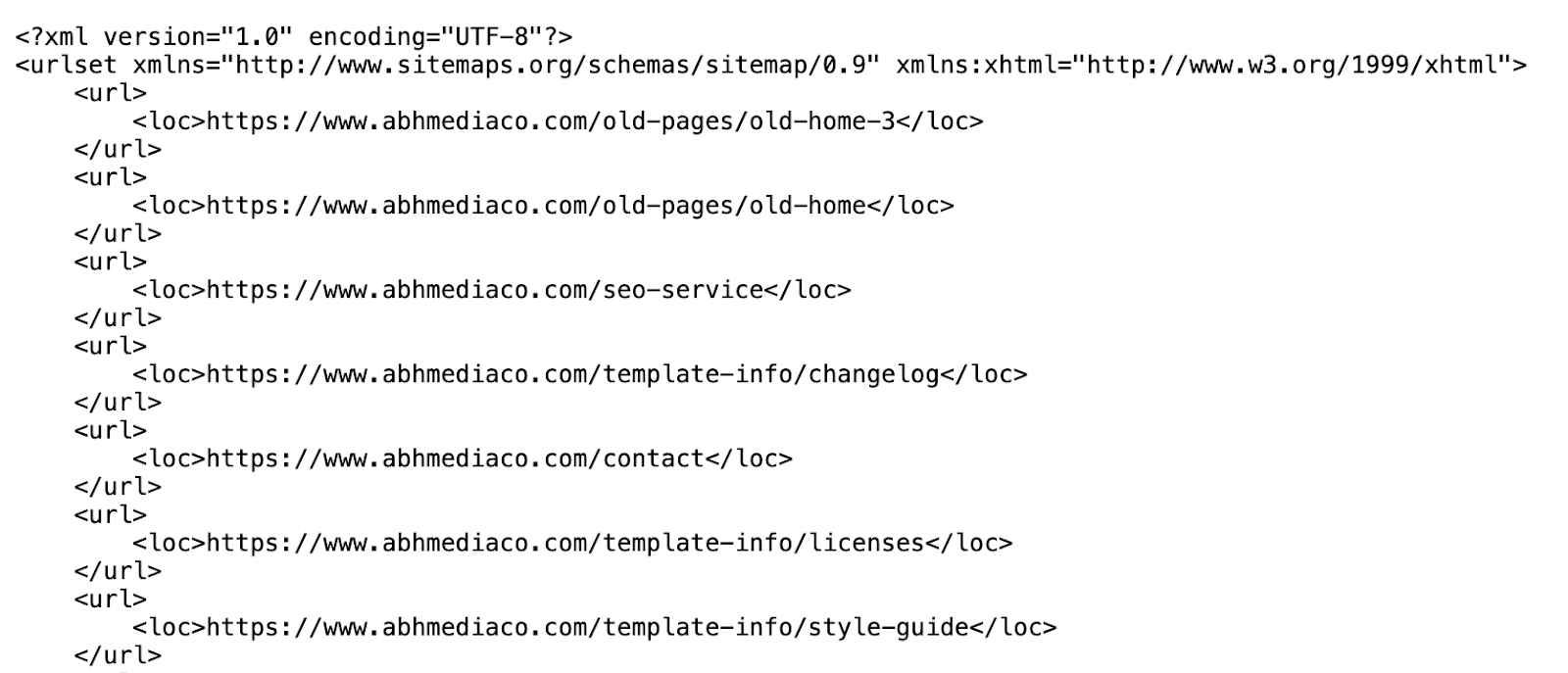
That said, Google can still crawl pages that are not in your sitemap unless you block them with noindex tags.
But if you want a page to rank, make sure it's included in your sitemap. This applies to your homepage, product pages, blog posts, and landing pages.
Many SaaS companies rely on a website builder or a content management system (CMS) like WordPress or Webflow. Many of these tools automatically create sitemaps for you.
Still, don’t assume it’s correct. Check for missing pages and add them.
Then, remove pages you don’t want indexed, such as test pages or internal dashboards.
After updating your sitemap, submit it to Google Search Console or Bing Webmaster Tools. Doing so helps search engines find new pages faster and understand your site structure.
Add Schema Markup to Your Web Pages
The schema markup is a small piece of code you add to your pages, usually inside the HTML header tag. It tells search engines what the page is about, whether it's a product, a blog post, or a question and answer (FAQ) page.
Schema markup does not boost rankings. But it helps Google, Bing, and even AI platforms understand your site better.
It also increases the chance of your content showing up as a featured snippet, which allows users to find valuable information directly within search results.
To add schema markup, you can manually write the code if you're familiar with JSON-LD (the format recommended by Google). Alternatively, you can use a generator tool or have your website builder do it for you.
Once you have the code, you can add it to your webpage. The exact steps vary depending on your website platform.
For example, if your SaaS site is in WordPress, you can use plug-ins to automate the process. For other website builders, you can find a dedicated section in their page settings where you can paste the JSON-LD code.
Include Canonical Tags in All Your Web Pages
A canonical tag is another code you add to your pages. It tells search engines which version of the page is the "master" or "original" copy.
This tag is important because it solves duplicate content and prevents diluted rankings by pointing to a preferred URL.
To implement canonical tags, add a <link> element with the rel="canonical" attribute to the <head> section of your HTML. Make sure the href attribute includes the URL of your preferred page.
Here's what the code should look like:
<html>
<head>
<link rel="canonical" href="https://www.example.com/preferred-page">
</head>
Set Up a 301 Redirect
A 301 redirect tells Google that a page has permanently moved to a new URL. It passes the ranking value from the old page to the new one. This prevents traffic and keyword rankings from being lost.
If your SaaS site is brand new, you don't need to set up 301 redirects.
But these become very important once website content exists.
Many SaaS startups rework pages, change URLs, or clean up old blog posts. Without 301 redirects, users and search engines hit dead ends.
You can set and manage 301 redirects through your CMS or plugins.
Always test them. Visit the old URL and confirm it redirects you to the right page.
Optimize Your Site for Mobile
Mobile optimization is non-negotiable. Statistics show that around 62% of global website traffic comes from mobile devices.
Google and Bing also use mobile-first indexing. That means these search engines look at the mobile version of your site when deciding rankings.
A poor mobile experience often drives users away. A strong one keeps them engaged, improves rankings, and makes them more likely to buy, regardless of the device they use.
To optimize your site for mobile, check how your SaaS website looks on a phone. You should be able to read text and tap buttons.
Mobile responsiveness is the baseline. Make sure your site adjusts to different screen sizes without breaking layouts.
Compress large images and remove unnecessary code where possible to improve load times.
Don't forget to review navigation. Menus should be clear and short to help users find information faster.
4. Create a Content Marketing Strategy
Once your website is set up correctly, the next step is content strategy development. This is important if you want SEO to drive qualified traffic and sign-ups.
Begin with keyword research. Keywords are the exact phrases people type into search engines when looking for answers or SaaS solutions.
The keyword research process involves several steps. First, list topics related to your product and customers' problems.
Next, review competitor pages to see what they rank for. Then, filter keywords by intent, difficulty, and relevance.
You should also map keywords to user awareness. Some searches come from people who only know they have a problem. Others come from users comparing solutions or specific products. These groups need different content.
For example, problem-aware users want to read about how-to guides and explanations. Those who are aware of the solution and the product need comparison pages and case studies before making a decision.
We'll talk about these steps in detail below.
Do Keyword Research
Keyword research in SaaS SEO goes deeper than using a keyword tool (e.g., Semrush's Keyword Magic Tool) and choosing terms with high search volume.
Search volume does not tell you whether a keyword will bring customers, only that it will attract "general" users.
In SaaS SEO, search intent is more important than numbers.
Learn why someone searches a term. Are they learning about a problem? Are they comparing tools? Or are they ready to choose a product?
A keyword with lower search volume but strong intent often brings better results than a general term with high search volume.
Focus on intent-driven keywords. Examples include “CRM for small sales teams,” “Slack alternatives for startups,” or “enterprise vendor onboarding software.” These terms signal a real need and a possible buying decision.
Feel stuck? You can also go to a competitor's website and find the type of content they write about. Next, go to your preferred keyword research tool to analyze their top-ranking pages and top keywords.
You can then capitalize on their weaknesses and replicate their strengths through effective content.
Map Keywords to the SaaS Buyer Journey Stages
Although you're doing "search engine" optimization, you shouldn't just develop content for search engines. Always write with humans (a.k.a. your customers) in mind.
And this starts with the right keywords that provide value.
Match these terms to a specific stage in the buyer's journey.
At the awareness stage, users have a problem and need to know a solution. These are Top of the Funnel searches. Examples include “what is SaaS SEO” or “how to reduce churn.” To convert these users, you need to write educational content that addresses pain points without hard selling.
During the consideration stage, users are aware that a solution exists and need to learn if your product solves their pain points. Middle of the Funnel keywords are "AI chatbot comparison" and "best project management software." Develop content that positions your SaaS solution as the ideal fit.
Once users are in the product-aware stage, they are close to making a purchasing decision. All they need to know is if your product is the best for them. They usually search for keywords like "(tool) pricing" and "(tool) alternatives."
You should create product-aligned pages like comparisons, case studies, pricing guides, or demo requests to address objections and nudge sales.
Conduct a Keyword Gap Analysis
A keyword gap analysis shows where competitors get traffic, and you do not. It helps you find missed chances so you can compete where demand already exists instead of guessing what to write next.
In this context, competitors can be direct rivals that sell the same SaaS product or content leaders in your niche.
Use a keyword ranking or an SEO tool to learn which keywords their pages rank for. Then, compare that list to your own rankings.
Look for keywords that match your product and user needs but have no page on your site. These are gaps.
For example, you may lack blog posts for specific keywords. Or you might be missing an important feature page, use case page, or comparison content.
Once you've analyzed your competitors’ content marketing strategies, you can use this insight to improve your own direction.
5. Write High-Quality SEO Content
Before writing content, you should know where many SaaS startups go wrong so you can avoid the same mistakes.
Most SEO content fails because it falls into one pattern: CALL.
The C stands for conversion intent. It's not enough to create content that attracts visitors or informs users. You should guide them towards taking specific actions, such as signing up for a demo or making a purchase.
A means AI content. Many SaaS startups say that SEO is not working, yet their blogs are filled with AI-generated content. These articles rarely rank in SERPs because they have generic or surface-level content. AI also doesn't follow any internal linking or content strategy.
The first L is low-quality content. Blog posts without the right structure and keywords struggle to rank. Always create content that answers the query fully and matches what Google expects for that search. For example, if the top-ranking pages are comparison lists, you write that. If it's a product page, you create this content type as well.
The second L means low volume. Writing one article per week is not enough. You need a minimum of two to three posts per week to see traction.
Below are tips for writing great SaaS SEO content.
Create a Content Outline
The content creation process almost always starts with an outline. This keeps your content focused and easy to read. Clear outlines also show how topics connect and which sections matter most.
Start with one H1, which is the main title of the page. This should reflect the primary topic and keyword.
Next, use H2 headings for the main sections of the article.
Then, insert H3s and H4s to explain specific ideas under the H2 tags.
Use a Content Optimization Platform
After developing a content outline, you can write the rest of your content. Fill in the headings with paragraphs that provide value to the reader.
Consider using a content optimization tool like Surfer SEO or Clearscope. These platforms help you write relevant content that matches what Google expects for a given keyword.
They often suggest related terms, questions, and topics to include, which allows you to cover the entire subject without guessing.
Some content optimization platforms also support on-page SEO. They can flag missing headings, weak sections, or overused terms. Others even share real-time feedback while you write.
However, use them only as a tool and not a crutch. You should still retain human judgment and critical thinking to write better SaaS SEO content.
Write for Humans
While using keywords is important in SaaS SEO, you shouldn't overdo it.
If your content sounds forced or repetitive, readers notice and may not trust you. Keyword stuffing also affects organic rankings.
Write the way you would explain something to a real person. Use clear language. Keep sentences short.
Avoid using the exact keyword suggested by content optimization platforms if it sounds awkward in a sentence. Consider variations or explain the idea in plain language instead.
Most importantly, focus on answering the question behind the search. For example, if the keyword is "what is SaaS SEO," you should aim to answer the question in the introduction paragraph.
When users get value fast, they stay longer and take action. That sends positive signals to search engines.
6. Publish Your Content
Publishing your content the right way is just as important as the writing itself. Small details can affect organic search rankings and SaaS conversion rates.
Here's what to check before clicking publish:
- H1 title tag: This is the main title users and search engines see. It should include the main keyword. The ideal title length is under 60 characters.
- Meta description: It does not affect rankings directly, but it affects clicks. Think of the meta description as the "sales pitch" for your web page. Keep it short and sweet. Explain what the reader will learn and why your page is important.
- URL slug: This refers to the text at the end of a URL that identifies a specific page. You should change the slug to the exact keyword you're targeting. Avoid numbers, dates, or the actual title of your blog post.
- Image alt text: Describe what the image shows to help the visually impaired understand what your photos are.
- Internal links: Interlink to related blog posts, feature pages, or use case pages. This helps users move through your site and supports better rankings.
- External links: Refer to trusted sources when relevant. Doing so adds context and credibility to your content.
7. Earn High-Quality Backlinks
Once your content starts ranking for targeted keywords, the next step is building backlinks. By now, you already know the importance of these links, as we covered them already.
But how do you get high-quality backlinks?
Most SaaS startups use email outreach. This involves contacting site owners, editors, or marketers in your space. You offer to write a guest post that adds value to their audience. In return, you earn a relevant link.
Another option is newsletters and product roundups. Many SaaS-focused newsletters feature tools, guides, or resources. Submit your content if it fits their audience. This works well for new pages that solve users' specific problems.
You can also create linkable assets. These are pieces of content that other businesses want to reference in their blogs. Examples include comprehensive guides, infographics, original data, surveys, or industry statistics. Pages like this often attract links naturally over time.
Lastly, try broken link building. Find pages in your niche that link to non-existent or inaccessible web pages. Then, reach out and suggest your content as a replacement. It helps them fix a technical SEO issue while you get a link.
8. Analyze Site Performance and Conversions
SaaS SEO does not end after you upload content and get backlinks.
You need a system to track what works and what does not.
You can do this by connecting your SaaS website to Google Search Console and Google Analytics. These tools show how people find your pages and what they do after landing.
Look beyond website traffic. You should analyze web pages that drive demo requests, sign-ups, or trials.

Then, use this data to adjust your content strategy. Double down on formats and topics that lead to action. You can also improve or replace pages that get traffic but fail to convert.
Even simple on-page optimization, such as better headlines, unique meta descriptions, and including internal links, can make a big difference.
9. Refresh Old Content
SaaS SEO is not a one-time effort. After some time, you need to revisit old articles and update them.
In most cases, this should happen at least once a year. But if there's a lot of competition around the topic or keyword, consider refreshing content every quarter.
This is important because outdated articles slowly lose rankings even if they once performed well.
A content refresh tells search engines that your web page is still relevant.
Content refreshes are also faster than writing from scratch since you're working on an existing article. Small changes can lead to big gains.
One clear example is this case study of TapClicks.
TapClicks is a SaaS platform for marketing analytics and reporting. They already had existing blog posts, but rankings are stuck on pages 2-3 of Google, causing them to miss out on high-intent visibility.
They partnered with our SaaS SEO agency, ABHMedia, to develop and execute a content refresh strategy.
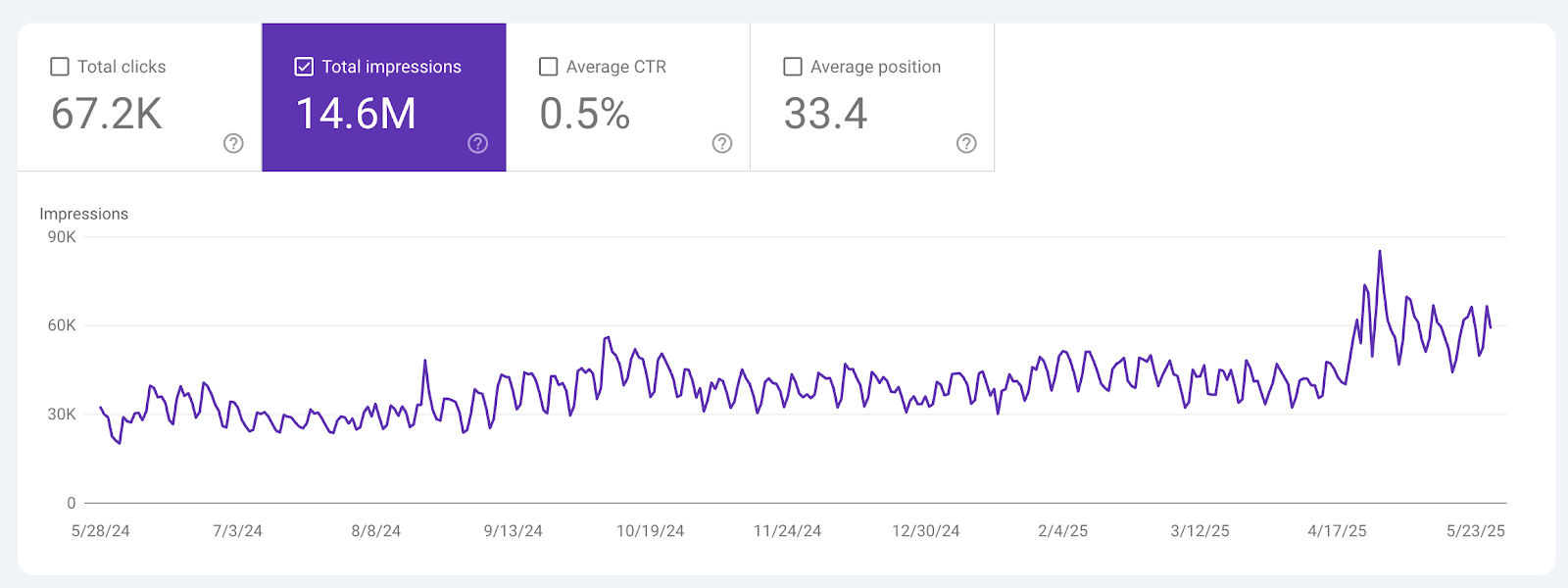
After launching a focused editorial SEO sprint, TapClicks' rankings improved quickly. Within 90 days, multiple pages moved to page one rankings and gained massive positions.
Book a strategy call today to learn how a content refresh strategy could drive faster SEO gains.
Should You Hire an In-House SEO Team vs. a SaaS SEO Agency?
Integrating SEO into your existing marketing strategy is no easy task. It involves several technical tasks, from keyword research and competitor analysis to content development and on-page optimization.
That’s a lot to manage. You may wonder if your team can handle it internally.
In some cases, building an in-house SEO team works well. But for other SaaS startups, hiring a SaaS SEO agency makes more sense.
Let's break down the pros and cons of both approaches:
Hiring an In-House SEO Team
Hiring in-house means bringing SEO expertise directly into your SaaS startup. It could be recruiting an SEO manager, a content writer, or a small team.
This option works best when you have long-term plans to invest heavily in SaaS SEO. An in-house SEO team understands your product deeply. They can work closely with product, sales, and leadership teams. This leads to faster communication and better alignment with company goals.
An in-house hire also makes sense when SEO is already a proven growth channel for you.
However, hiring in-house requires a lot of time and money. You need to pay for specialized tools and salaries for multiple SEO professionals. One person may not cover technical SEO, content strategy, and link building at the same time.
Hiring a SaaS SEO Agency
A SaaS SEO agency is often the better choice if SEO is not in your wheelhouse right now. They bring proven experience from day one, which is useful if you're unsure how to develop your SEO strategy, prioritize keywords, or build links properly.
SEO agencies also help when your team lacks bandwidth. SaaS founders and marketers are already busy with product updates, sales calls, and support. They rarely have time to execute search optimization.
SEO requires consistent effort. Without it, results won't compound over time.
A SaaS SEO agency usually comes with specialists, including content writers, SEO specialists, content strategists, and outreach experts. This means you get a full team instead of relying on one hire.
That can speed up results. Instead of learning through trial and error, you work with people who have done it before.
Partner With ABHMedia For Revenue-Driven SaaS SEO
Looking for the best SEO agency for SaaS startups? Consider partnering with ABHMedia.
Unlike other SEO agencies that focus on high-volume keywords, ABHMedia develops a content strategy around keywords with commercial or transactional intent. We only target organic traffic that brings in your target market, so you actually get users who want to pay for your SaaS product.
At ABHMedia, we also build backlinks with a purpose. Instead of linking back to your homepage, authority is pushed to pages targeting low-hanging keywords. That boosts your rankings on traditional and AI search engines, which can drive more sign-ups and SaaS demos.
Most importantly, we write for search intent. We create high-quality, relevant content that matches what search engines expect for each keyword. This attracts the right users and moves them closer to action.
Book a strategy call to get started, or read our case studies to learn how other SaaS companies scale with ABHMedia.
FAQs About SEO for SaaS Startups
Why is SEO important for SaaS startups?
SEO is important for SaaS startups because users search for solutions online before purchasing. They look up problems, compare tools, and read reviews. If your site does not appear in those searches, you miss chances to win customers.
For startups, SEO creates steady online visibility. Instead of relying only on outreach or ads, you show up when users actively look for solutions. This traffic often has higher intent because users are already researching options.
Search engine optimization also supports long-term growth. Each page you publish can attract more demos and sign-ups over time, which can build a more predictable revenue.
Is SEO worth it for early-stage SaaS startups?
Yes, but it requires patience.
SEO takes time to build momentum. Pages need to get indexed, ranked, and earn trust. If you delay, your direct competitors gain ground. Starting early allows your content to age and grow stronger over time.
SEO is also one of the few channels that does not need constant marketing spending to attract traffic in the long term. While it requires upfront effort, strong rankings can drive ongoing sign-ups without increasing monthly costs.
Even with limited resources, you can focus on high-intent keywords tied to your product. One well-optimized page targeting the right keywords can bring qualified leads and support steady growth.
How long does SEO take to work for SaaS startups?
SEO is not instant. Most SaaS startups begin seeing early traction within three to six months. Stronger results often show up between six and twelve months, depending on competition and effort.
Technical SEO, keyword targeting, and content quality all affect speed. If you publish consistently and earn high-quality links, organic growth usually accelerates.
What are the common SEO mistakes that SaaS businesses should avoid?
One major mistake is chasing traffic instead of intent. High traffic means little if website visitors never convert. Focus on high-intent keywords to get demos, trials, and paid customers.
Another SEO mistake is publishing low-quality or generic content. Thin blog posts rarely rank or convert. Each page should fully answer the search query and have relevant links.
Ignoring technical SEO and on-page optimization is also common. Slow pages, broken links, or poor website structure can prevent organic growth.
Finally, many SaaS startups quit too early. SEO takes time. Stopping after a few weeks often means missing results that were just beginning to build.





.png)