


7 Best B2B SEO Agency Options to Help You Grow in 2026
,
October 13, 2026
SEO can bring thousands of people to a B2B website and still produce very little revenue. The problem often comes down to who those visitors are and why they searched in the first place.
A strong B2B SEO agency looks beyond traffic and keyword rankings to find searches tied to real buying needs. Agencies differ in how they approach that work, from technical SEO and content to link building and lead generation.
In this article, you’ll learn about seven of the best B2B SEO agencies and how you can compare their proposals.
TL;DR
These are the seven best B2B SEO agency options in 2026:
- ABHMedia: Best for done-for-you B2B SaaS SEO
- Onely: Best for technical SEO and AI search
- Directive Consulting: Best for B2B performance marketing
- Grow and Convert: Best for bottom-of-funnel B2B content
- Omniscient Digital: Best for content-led B2B SaaS growth
- iPullRank: Best for enterprise SEO
- Siege Media: Best for content-led SEO and link earning
7 Best B2B SEO Agency Options in 2026
Choosing the right SEO agency starts with matching its expertise to your website, sales cycle, and growth goals. Here are the leading options in 2026:
1. ABHMedia: Best for Done-for-You B2B SaaS SEO
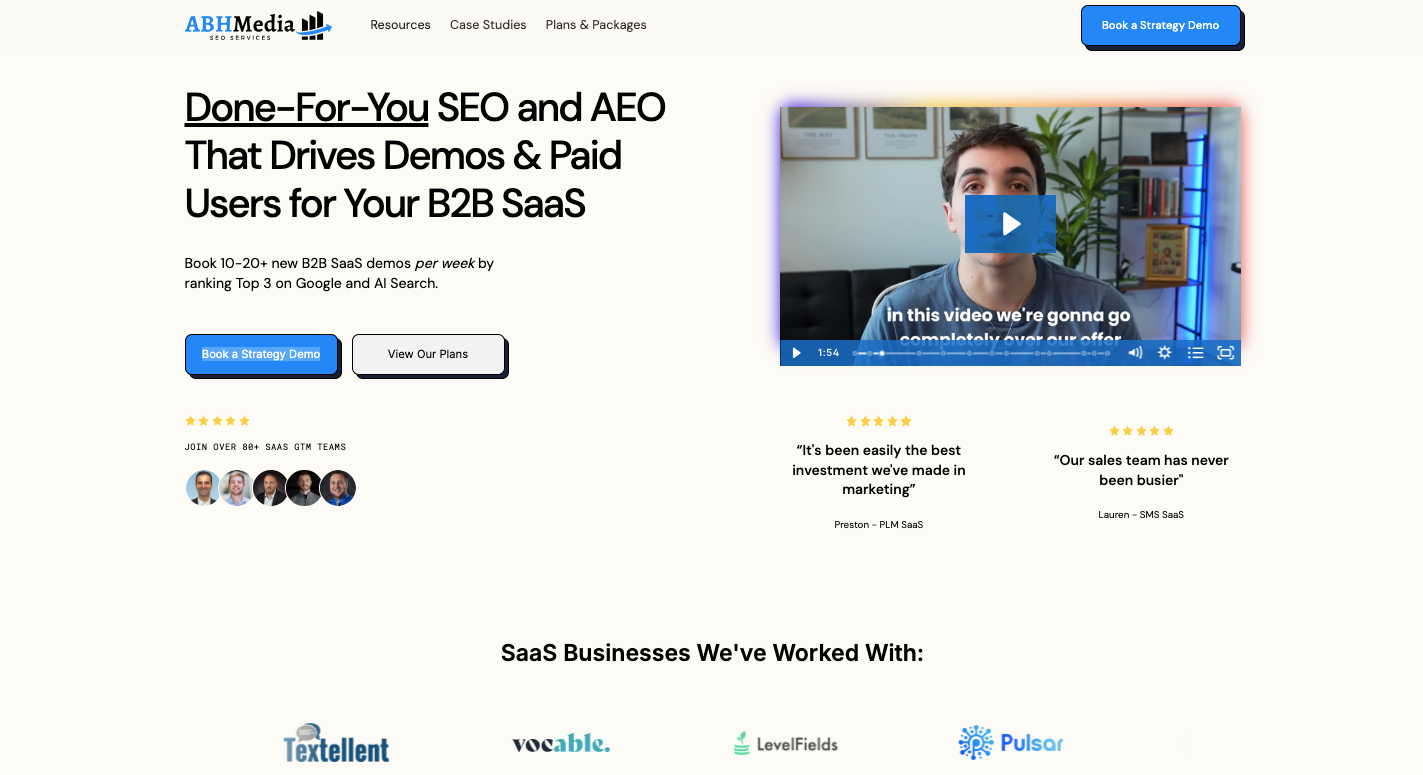
ABHMedia is a B2B SaaS SEO agency for software companies that want search traffic to turn into demos, trials, qualified leads, and paid users. We work with SaaS businesses, and our clients include Activepieces, Briefpoint, TextUs, and Odin AI.
Every campaign starts with a strategy session where we learn about your product, ideal customer profile, and growth targets. From there, we handle keyword research, technical SEO, content, links, on-page optimization, conversion tracking, and programmatic SEO.
We focus our digital marketing strategies on searches with commercial or transactional intent instead of chasing traffic volume alone. ABHMedia clients typically receive 5 to 30 hand-picked backlinks per month depending on the plan, and our reporting tracks conversions alongside rankings and traffic.
Clients own every article, page, and other asset we create.
Key Services
- Buyer-intent SEO strategy - We build the campaign around searches used by people who are actively looking for the client’s type of software rather than broad topics with little buying intent.
- SEO content - Our team writes articles based on the search results for each target query instead of forcing every topic into the same word count or format.
- Technical SEO - We audit the website for technical problems and provide the fixes needed to prepare important pages for search.
- Link building - Depending on the plan, clients can receive 5 to 30 hand-picked backlinks per month, with links aimed at pages and keywords we want to move higher.
- Programmatic SEO - Mid-Size includes programmatic SEO implementation, and Enterprise adds mass-scale content clustering for SaaS companies with larger search markets.
- Primary page creation - Mid-Size clients receive monthly primary page creation plus UI/UX development for commercial pages that need stronger search and conversion performance.
- Conversion optimization - Enterprise includes conversion rate optimization to improve how qualified organic visitors move from a landing page to a signup, demo, or purchase.
- Reporting - Monthly reporting covers analytics and conversions, and clients get access to a live dashboard that shows the work and results throughout the campaign.
2. Onely: Best for Technical SEO and AI Search
Onely helps large websites fix technical problems that stop Google and AI crawlers from reading important pages. Its team works on JavaScript rendering, crawl problems, site speed, server setup, migrations, and other issues that need more than content changes or link building.
Large SaaS websites often create thousands of URLs through product pages, help docs, filters, and other dynamic parts of the site. Search bots may spend time on duplicate or low-value URLs and miss pages that can bring in leads or sales.
Onely uses advanced technical SEO to find those problems and show developers where the site needs changes.
For AI search optimization, it helps make product details and company information easier for ChatGPT, Perplexity, and Google AI Overviews to access and understand.
Key Services
- Technical SEO audits - Onely checks server logs, crawl activity, site speed, mobile setup, and index problems to find pages search bots can’t reach or process properly.
- JavaScript SEO - Its team fixes rendering problems that can stop a search engine from seeing text, links, and product details loaded through JavaScript.
- Generative engine optimization - Onely improves crawler access and content structure to help AI systems find and understand useful company information.
- On-page SEO - Its on-page SEO work covers headings, metadata, links, HTML, and other elements that help crawlers understand each URL.
- Page optimization - Onely uses page optimization to fix code or template problems that can affect the indexing of many URLs at once.
- Structured data - Structured data implementation gives search and AI systems clearer details about products, organizations, and other entities on a page.
- Website migrations - Onely plans redirects, URL mapping, and crawl checks to reduce traffic and ranking losses after a domain, CMS, or site structure change.
- International SEO - Its team sets up regional URLs and hreflang tags to help Google show the right page for each country or language.
3. Directive Consulting: Best for B2B Performance Marketing
Directive Consulting is for B2B and tech companies that want marketing to produce more than traffic and form fills.
Its “Customer Generation” method puts qualified pipeline and closed-won revenue at the center of each campaign. Many agencies report clicks, impressions, leads, and other vanity metrics. Directive goes further by connecting SEO, paid search, paid media, and website conversions with CRM data.
You can then see which campaign brought in a sales opportunity and how much revenue came from it.
Directive uses customer value and acquisition costs to plan spend, targeting a 3:1 lifetime value-to-customer acquisition cost.
As a global digital marketing agency, it can manage several channels for B2B brands that sell to buyers in different markets.
Key Services
- SEO and content marketing - Directive creates content around searches that B2B buyers use when comparing products, researching solutions, and getting closer to a purchase.
- Paid search management - Specialists adjust keywords, bids, audiences, and budgets to help paid search campaigns reach buyers who show clear interest in a product or service.
- Paid media - Companies can run campaigns on Google, LinkedIn, programmatic networks, and video platforms to reach buyers at several points in the sales process.
- Paid advertising - Directive compares paid advertising costs with customer value, pipeline, and closed sales to find campaigns that can support profitable customer growth.
- AEO and GEO - Its team works on content and site signals that can improve brand visibility in ChatGPT, Perplexity, Gemini, and Google AI Overviews.
- Revenue operations - CRM connections help you trace leads, sales opportunities, and customers back to the ads, keywords, or pages that first brought them in.
- Conversion optimization - Specialists test landing pages, forms, and signup paths to find changes that can turn more visitors into demos, trials, or qualified leads.
- Digital PR - Directive pitches relevant stories to publications and industry sites to earn media coverage, brand mentions, and links.
4. Grow and Convert: Best for Bottom-of-Funnel B2B Content
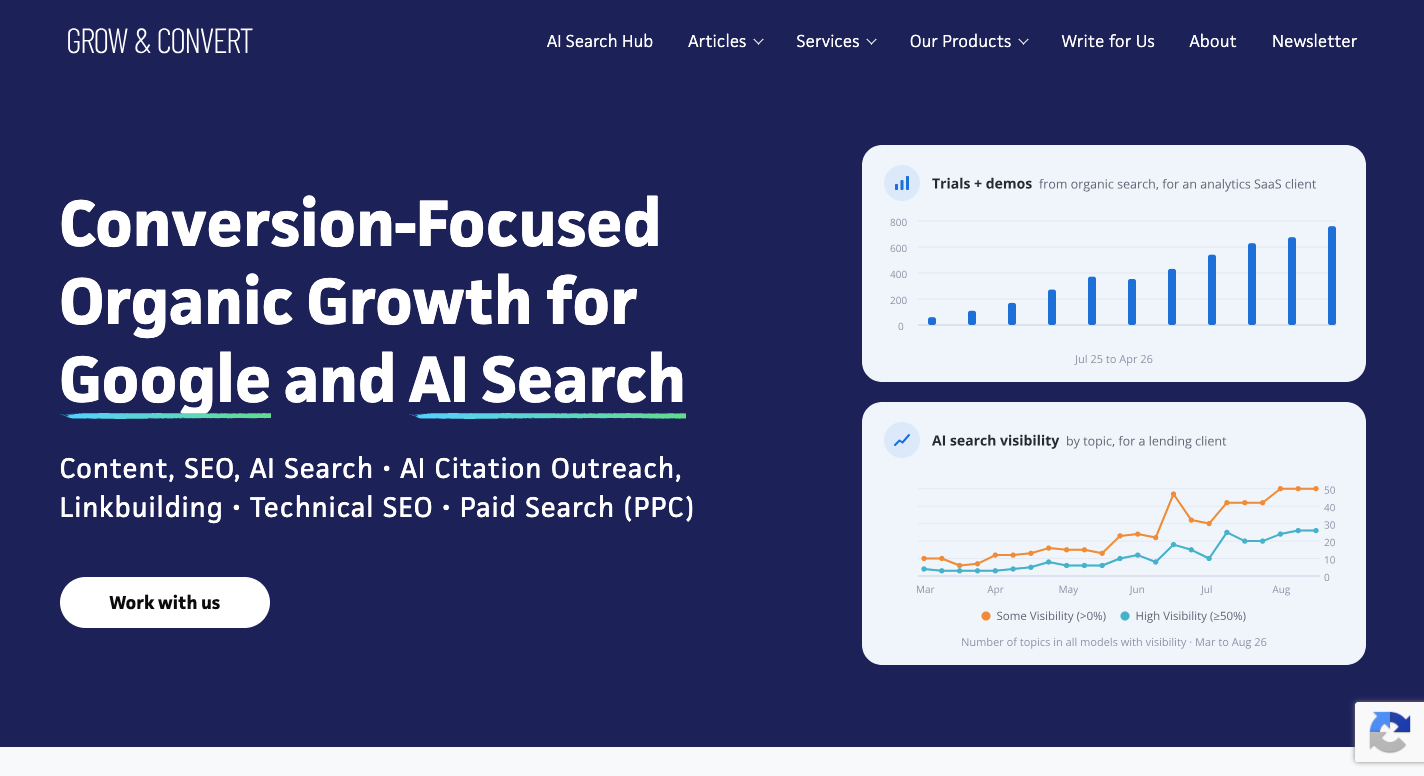
Grow and Convert is a B2B SEO and content marketing agency that handles the full content process, from finding topics and writing articles to link building, technical checks, promotion, and conversion tracking.
Their Pain Point SEO method skips broad educational topics that may bring plenty of visitors without many buyers. Strategists first learn what problems customers need to solve, then find high-intent keywords around comparisons, alternatives, software categories, and specific use cases.
Grow and Convert doesn’t ask general freelance writers to figure out a complex SaaS product on their own. Their SEO professionals interview the client’s subject matter experts for 60 to 90 minutes, then use those conversations to write detailed articles with product examples, screenshots, and real use cases.
Rather than acting like a traditional content marketing agency, they track which pages generate leads, trials, and demos to keep lead generation tied to business results.
Key Services
- Pain Point SEO - They research customer problems and buying searches, then create content around comparisons, alternatives, product categories, and other purchase-focused topics.
- SME interviews - Strategists interview product experts, engineers, or sales teams to get the details needed for accurate articles about complex products.
- Product-led content - Writers explain the software through screenshots, feature examples, and real use cases instead of mentioning the product only in a closing CTA.
- SEO management - Their team handles research, content production, technical checks, promotion, links, and performance tracking as part of one SEO program.
- Link building - Grow and Convert runs manual outreach campaigns to earn relevant backlinks that can help important articles compete in organic search.
- Content promotion - They can use paid promotion to put new articles in front of target buyers before those pages start receiving steady traffic from Google.
- Technical SEO - Specialists check JavaScript rendering, broken links, crawl problems, and site structure when technical issues can stop important pages from getting indexed.
- Conversion tracking - Their reporting shows which articles drive trials, demos, and other conversions instead of judging results only by traffic or keyword rankings.
5. Omniscient Digital: Best for Content-Led B2B SaaS Growth
Omniscient Digital is an organic growth and content marketing agency that works with B2B SaaS brands such as Loom, Jasper, and Shift.
It puts about 80% of resources toward safer search opportunities with clear buying intent, then uses the remaining 20% for original ideas that can build authority and demand. Each content strategy uses search data, customer research, and business priorities to decide where the team should invest.
For SaaS companies with large databases, Omniscient can use programmatic SEO to create many useful landing pages from structured data. Those pages can build organic visibility around repeatable searches that would take too long to cover one by one.
Regular content optimization keeps older pages useful when rankings, products, or search results change. Omniscient ties those efforts to trials, demos, revenue, and other signs of business growth instead of reporting traffic alone.
Key Services
- Content strategy - They research search demand, buyer needs, and product priorities before deciding which topics can support organic growth.
- Editorial content - Writers create detailed B2B articles that explain real customer problems and show where the client’s product fits.
- Programmatic SEO - Omniscient uses templates, structured data, and large datasets to create landing pages for many related searches at scale.
- Content optimization - Their team updates older pages when facts, products, rankings, or competing search results change.
- GEO - They structure useful brand and product information so AI systems can find and understand it more easily.
- Link building - Outreach campaigns help important pages earn relevant links and mentions from established websites.
- Analytics - Reporting connects organic traffic with signups, demos, and recurring revenue to show how search contributes to growth.
6. iPullRank: Best for Enterprise SEO

iPullRank is an enterprise SEO agency that works with large brands such as American Express, Target, HSBC, and SAP. Its focused expertise fits companies with large websites where crawl problems, JavaScript, server errors, and complex site structures can affect thousands or even millions of pages.
Many SEO agencies can find a broken link or update a page title. iPullRank goes much deeper with enterprise technical SEO.
Their team checks how search bots move through a large site, finds JavaScript rendering problems, studies server logs, and fixes crawl issues that can keep important pages out of Google.
Their approach uses data science and technical testing rather than relying on basic search engine optimization alone.
When someone asks an AI tool a question, the system may break it into smaller related searches before creating an answer. iPullRank uses its Qforia platform to study those hidden searches and build a digital strategy around them.
Their answer engine optimization services help companies make useful information easier for AI systems to find and understand.
Key Services
- Technical SEO - They audit JavaScript, servers, crawl paths, site structure, and other problems that can stop large websites from getting important pages indexed.
- AI search - iPullRank studies how ChatGPT, Gemini, Perplexity, and similar systems find information before creating answers.
- Query fan-out - Qforia finds related searches that AI systems may use to answer one larger question, helping brands cover the topics behind those searches.
- Content engineering - Their team uses search data to find the topics, entities, and supporting details that important pages need to cover.
- Audience research - iPullRank studies how target buyers search, what problems they face, and what information they need before choosing a product.
- Digital PR - Research, reports, and data-led content give the team useful assets to pitch to journalists and relevant industry publications.
- Search analytics - Custom reports connect organic search data with CRM records to show which pages and queries contribute to leads, pipeline, and revenue.
7. Siege Media: Best for Content-Led SEO and Link Earning
Siege Media focuses on the writing, design, and promotion behind SEO. They create articles, original research, infographics, interactive tools, and other useful resources that can bring in organic traffic and earn links from trusted websites.
Content production goes beyond writing a blog post and waiting for Google to rank it. Siege Media has an in-house creative team that supports high-quality content production with custom graphics, data charts, illustrations, and other visual assets.
Siege Media avoids risky link-building services that depend on low-quality placements. Their digital PR team pitches original research and data-led stories to relevant publications to earn high-quality backlinks.
Over time, useful content and strong editorial links can improve search rankings and help build domain authority without relying on questionable link tactics.
Key Services
- SEO content - They research search demand and create useful articles, guides, and other pages around topics potential customers already look for.
- Link building - Siege Media creates original resources and promotes them to relevant websites that may want to cite or share the information.
- Digital PR - Their team pitches research, surveys, data studies, and other strong stories to journalists, editors, and industry publications.
- Graphic design - In-house designers create infographics, charts, illustrations, and custom graphics that make written content more useful and easier to share.
- Interactive content - Siege Media builds calculators, templates, and other tools that answer specific questions and can attract links over time.
- Product-led content - Writers add screenshots, product examples, and real use cases when the client’s software provides a useful solution to the topic.
- Content updates - Their team refreshes older articles when information becomes outdated or a page starts losing organic traffic and rankings.
- GEO - Siege Media structures written and visual information so AI search systems can find and understand useful details about a brand.
How Do You Compare B2B SEO Agency Proposals?
Compare the scope, deliverables, strategy, implementation, reporting, and contract terms to see which proposal gives you a clear plan for turning SEO work into qualified leads and sales.
Scope
When comparing the best SEO agency proposals, start with the scope because it tells you how the agency plans to spend your budget. It should list exactly what your SEO efforts cover each month, such as four articles, five backlinks, one technical audit, or two landing pages.
Loose terms can lead to extra digital marketing costs later. Check whether web development, paid ads, or social media marketing cost extra.
Some marketing agencies sell several digital marketing solutions together, so the contract should show exactly what your marketing strategy includes and excludes.
Deliverables
Deliverables are the actual work you receive each month, such as articles, landing pages, links, and technical fixes. “Ongoing website optimization” is vague, whereas “two comparison pages and five code fixes per month” tells you exactly what you’re buying.
High-quality content production should give you useful pages built for real buyers, not generic articles created to fill a quota.
Technical optimization should include clear work such as code repairs and internal linking updates. Finished pages built for search engine results give you more value than reports that only show changes in search engine rankings.
Strategy
A strong SEO strategy explains which searches the agency will target and why those people could become customers. Be careful with plans built mainly around high-volume topics because large traffic numbers don’t always lead to sales.
Your search strategy should cover comparison terms, alternatives, use cases, and other searches buyers make before choosing a product.
Content marketing should follow those buying needs rather than a fixed publishing schedule. Customized SEO should fit your product and sales cycle, and modern search optimization should cover relevant AI platforms.
Effective SEO strategies need this detail in competitive markets.
Implementation
Implementation tells you who will turn recommendations into live changes. An agency might find 50 organic search problems, yet those issues remain unfixed if your team has to do all the work.
Check who publishes pages, makes code changes, tests updates, and writes developer tickets. Direct access to your CMS and project tools can help the agency improve search visibility and online visibility without adding a large task list for your team.
Clear deadlines help protect search performance and SEO performance in competitive markets. Companies with regional pages should confirm who handles local SEO work.
Reporting
If an agency only reports traffic and keyword rankings, you still won’t know whether SEO created customers. Search rankings show where pages appear, but demos, trials, qualified leads, and sales tell you whether those visits have business value.
Ask how the agency will measure success and connect organic visitors with later conversions. HubSpot or Salesforce tracking can help link search leads with sales instead of relying on vanity metrics.
A live dashboard makes it easier to track SEO performance throughout the month. Useful reports should connect marketing data with business outcomes your sales team can verify.
Contract Terms
Contract terms explain how long you must stay, how cancellation works, what you own, and what your monthly fee covers. Check setup costs, software fees, developer charges, and renewal rules before comparing prices.
Your agreement should explain how both sides will measure success without relying on vanity metrics or guaranteed Google positions.
Make sure your company owns the content, data, graphics, and code created by the SEO professionals working on your account. Flexible terms should let you move part of the budget toward conversion optimization when your priorities change.
Get a Fully Managed B2B SaaS SEO Service With ABHMedia
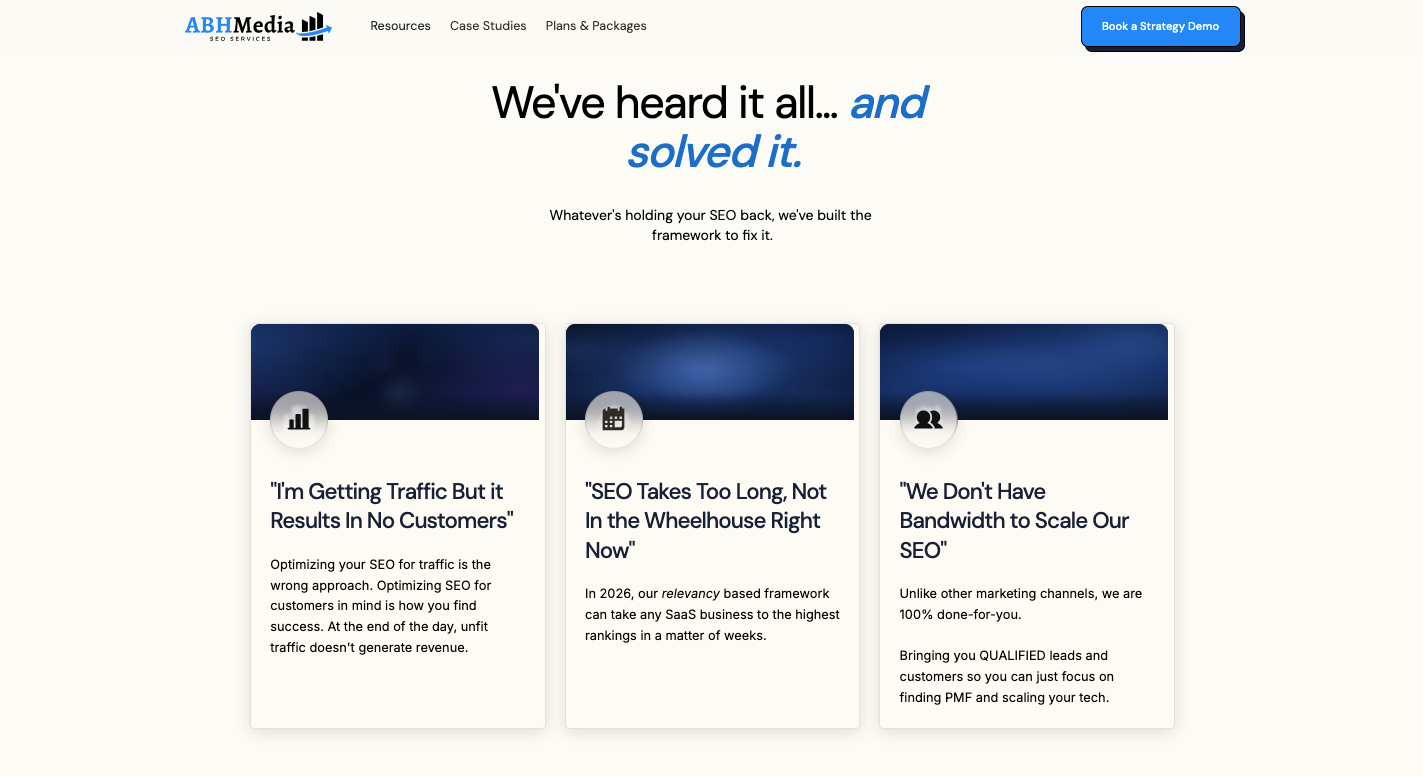
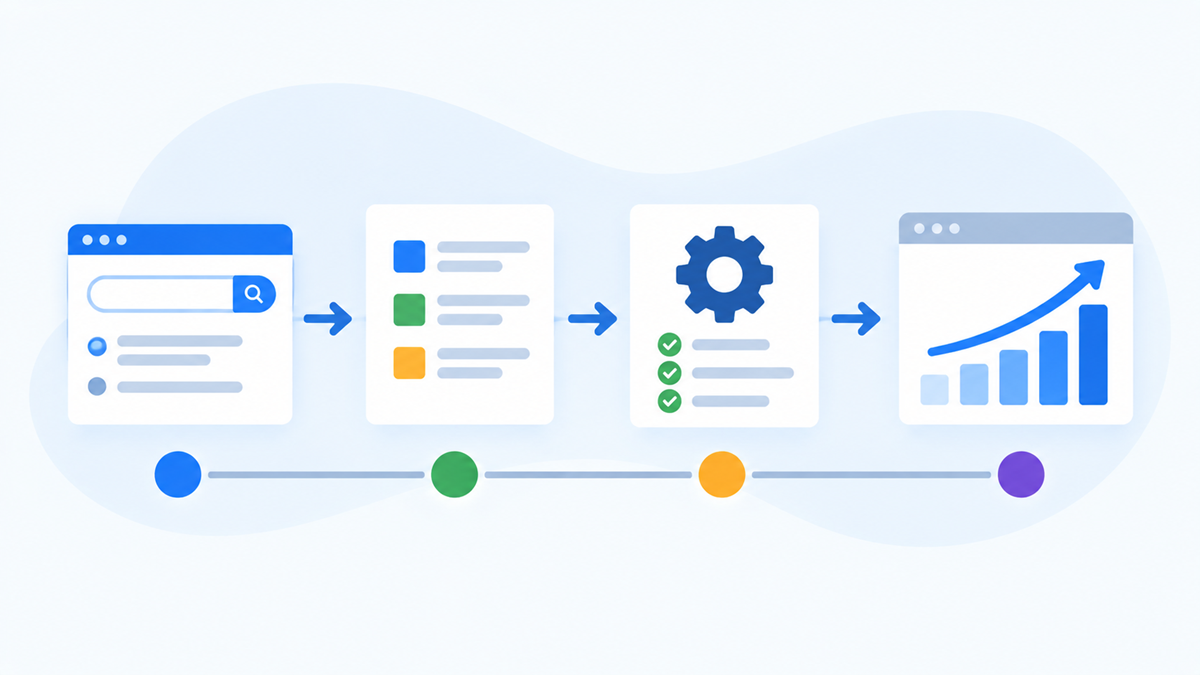
ABHMedia handles your B2B SaaS SEO from the first strategy session through content, technical fixes, link building, programmatic SEO, and monthly reporting. We start by learning your product and ICP, then target searches used by people who are looking for a solution like yours.
Our average client receives 5 to 30 hand-picked backlinks per month, depending on the plan. We focus on delivering measurable results through qualified leads, demos, trial signups, and paid users rather than traffic alone.
Clients typically start seeing a clear impact within 2 to 4 months, although timing depends on the website and plan.
You don’t need to hire separate writers, SEO specialists, strategists, and outreach staff to run the campaign. Our team manages the work for you, and you keep full ownership of everything we create.
FAQs About the Best B2B SEO Agency
Which B2B SaaS SEO agency is the best?
No single agency is best for every SaaS company. ABHMedia specializes in fully managed B2B SaaS SEO, including content, technical SEO, link building, programmatic SEO, and conversion tracking.
Is SEO still worth it in 2026?
Yes. SEO can still bring qualified leads, demos, trials, and sales when you target searches with real buying intent instead of chasing traffic alone.
How much does a B2B agency typically cost?
Costs vary based on the agency, project size, services, and amount of work required. Technical SEO, content production, link building, and programmatic SEO can all affect the monthly price.
What is the 80/20 rule in SEO?
The 80/20 rule means focusing most of your resources on the smaller group of pages, keywords, and SEO tasks that produce the largest share of useful results.





.png)