How to Build Your SaaS Content Strategy in 6 Easy Steps
,
November 4, 2026
A self-serve product with a $20 monthly plan needs different content from an enterprise platform with a six-month sales cycle, yet many SaaS companies copy a content playbook that worked for another business and then wonder why their traffic never turns into demos.
In most cases, the problem is not a missing strategy but one that does not fit the company.
According to the Content Marketing Institute, 97% of B2B marketers have a content strategy, yet only 13% of them say it has improved their SaaS content marketing results significantly. A poor fit between the plan and the business often explains that low percentage.
In this guide, we’ll go through seven SaaS content strategy types and when each one makes sense, so you can pick the right mix for your product and stage of growth.
TL;DR
- A SaaS content strategy decides what your software company publishes and for whom, as well as the result each piece should bring in.
- The seven main types are programmatic SEO, original research, founder-led thought leadership, free tools and templates, community content, AI search (GEO), and partner co-marketing.
- The right strategy depends mostly on how you sell and how much each deal is worth, so a self-serve product and an enterprise platform need very different content.
- To build your own SaaS content strategy, set a clear business goal, learn how your buyers choose software, and pick a main approach that fits your sales model.
- ABHMedia builds SaaS content strategies around revenue, with the goal of more demos and paid users from Google and AI search for B2B SaaS companies.
What Is a SaaS Content Strategy?
A SaaS content strategy is a written plan that connects a software company's content to the buyers it wants to reach and the business result it expects, such as more demos.
Software products can differ a lot in price and in the way they are sold, so the content that wins customers for one company often fails for another.
A clear strategy helps you choose an approach that fits your product before you spend months creating content that never turns into a pipeline.
A company can also combine several approaches, using one as the main focus and others to support it.
Why No Single Content Strategy Fits Every SaaS Company
Two companies can follow the same SaaS content marketing rules and still need different content because they sell in very different ways.
A project management tool with a free plan wants thousands of new users who can sign up without a sales call, while a security platform with a six-figure annual contract may only need a few dozen enterprise accounts per year.
The first company needs content that reaches a large number of potential customers and sends them straight to a sign-up page. The second needs content that earns the trust of a buying committee over many months, and the same blog post rarely works for both.
Ultimately, how you sell your product determines which approach will work best for you.
Types of Content Strategy for SaaS Companies
Each strategy brings in customers differently, so the right choice depends less on what is popular and more on how you sell your product.
Programmatic SEO Strategy
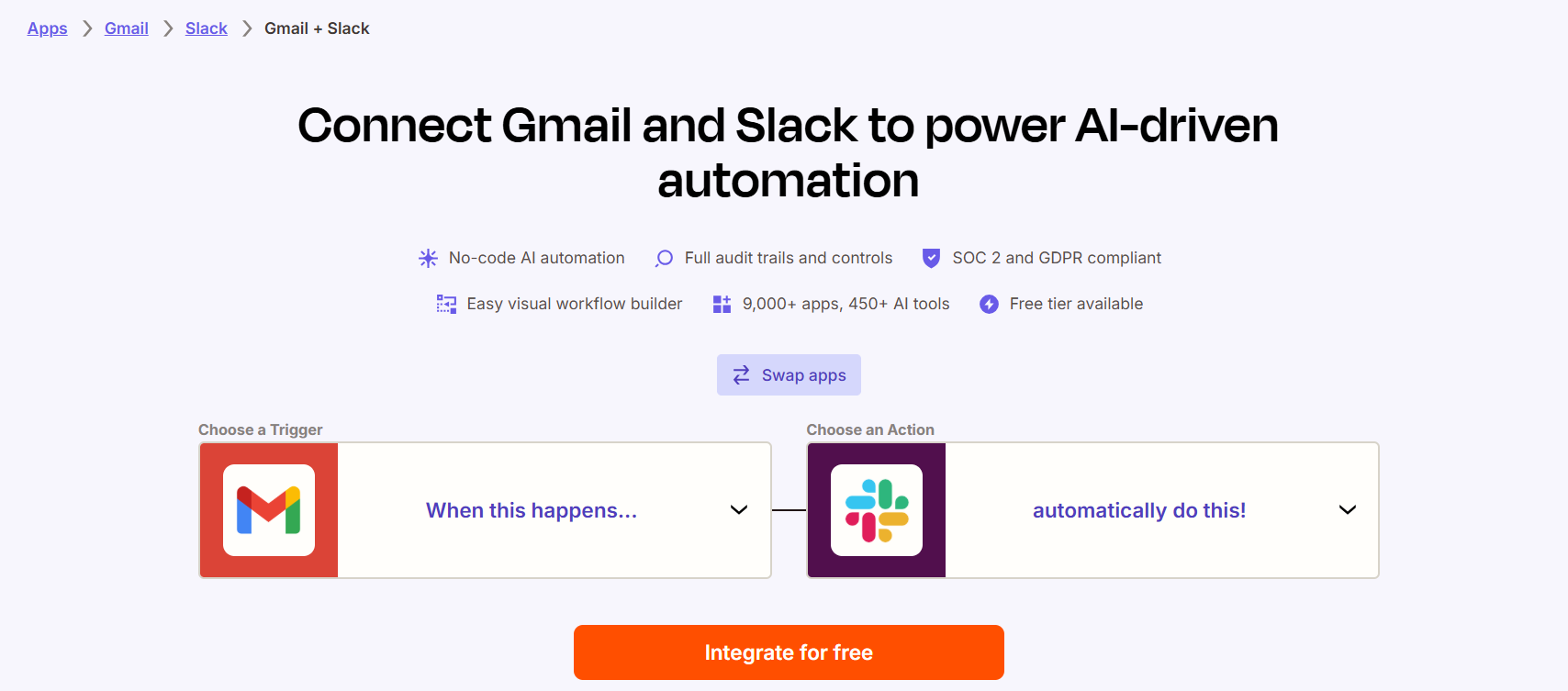
Programmatic SEO creates a large number of pages from the same basic structure. SaaS companies often use it for integration and “alternatives” pages, as well as for posts aimed at a specific industry or use case.
Zapier is probably the best-known example. It has pages for individual apps and posts showing how to connect two specific tools. Someone searching for “how to connect X with Y” can land directly on a page that answers that question and shows them how Zapier can help.
The downside is that it is easy to end up with hundreds of pages that say more or less the same thing, and changing the tool name or industry is not enough to fix that. Each page needs information that is actually useful for that particular search.
For SaaS companies with a lot of integrations, templates, or use cases, though, programmatic SEO can create a large amount of search coverage without having to build every page from scratch.
Original Research and Data Strategy
Some SaaS companies have access to data that can tell an interesting story about their industry. Instead of keeping that data inside the product, they can turn it into reports and benchmarks that people want to read and cite.
Gong's Gong Labs team analyzes sales conversations from its platform and publishes research on what top-performing sales teams say and do differently on their calls.
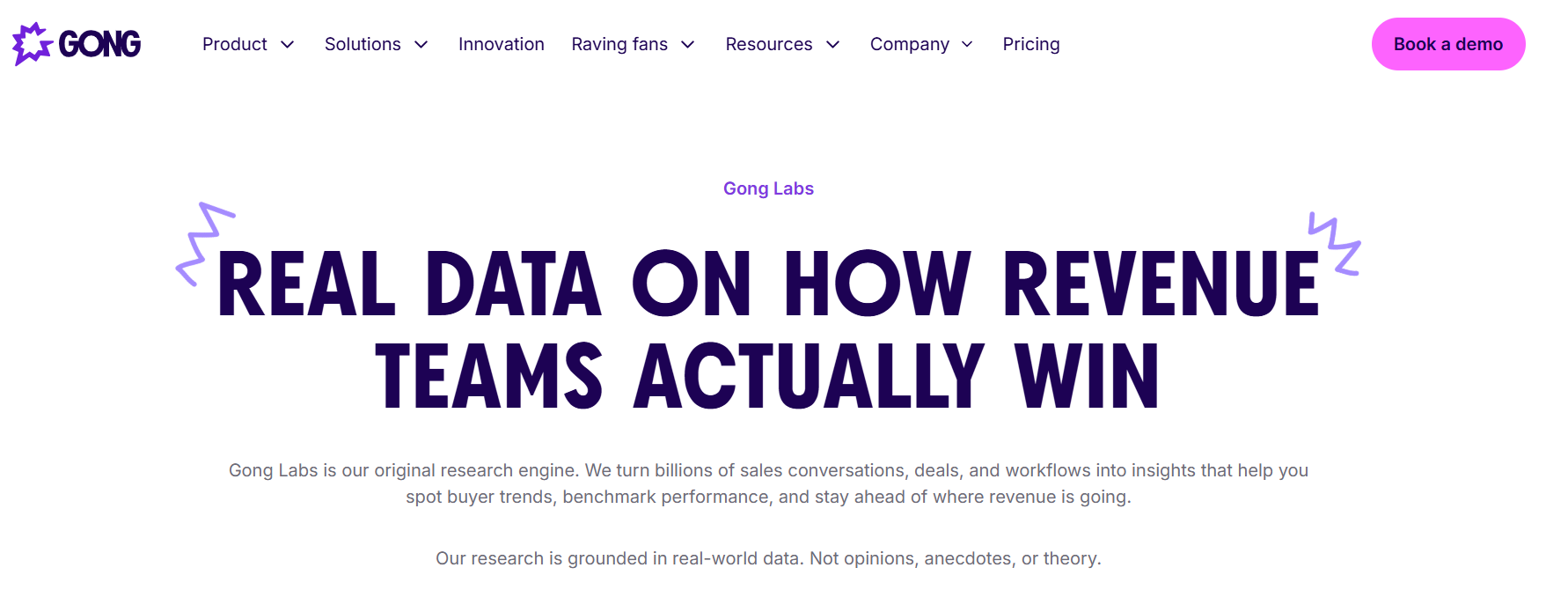
The content reaches sales leaders who may not be familiar with Gong yet, and other websites can link to the research when they cover the same topics.
The downside is that good research takes time, especially if you want enough data to say something useful. If your product does not give you enough data to work with, surveys and interviews can also give you original findings to publish.
A short but genuinely interesting study is usually more useful than a long report full of predictable industry stats.
Founder-Led Thought Leadership Strategy
If your founder or a senior expert has strong opinions about your market, you can turn that knowledge into content your target audience wants to follow.
Thought leadership shares your company's point of view on industry problems, and it usually comes from one person who publishes under their own name.
If few people search for your type of product on Google, you can't rely on SEO alone. Thought leadership gives buyers a reason to follow your company before they know what to search for.
If you sell a high-priced product, this approach also builds trust early. When a deal costs tens of thousands of dollars per year, potential buyers want to know the people behind the software before they book a call.
To start, pick one or two people who know your market well and can share real opinions. Then create content around topics such as:
- Common industry practices that no longer work
- Lessons from conversations with existing customers
- Mistakes your target audience makes and how to avoid them
- Trends you see in your market before others do
- Your view on industry news or new research
LinkedIn is one of the most common places for this type of content. 76% of B2B marketers named it among the most effective channels for thought leadership.
Keep in mind that thought leadership takes time. Posts rarely lead straight to a demo, but they increase brand awareness, so more buyers will recognize your name when they are ready to buy.
Free Tools and Templates Strategy
If your buyers search for quick answers to everyday problems, a free tool can bring them to your site at the exact moment they need help. These tools solve one small task, and the people who use them often have the same problem your SaaS product solves on a larger scale.
Common types of free tools include:
- Calculators, such as an ROI or pricing calculator
- Graders and checkers that score a website or an email
- Generators that create a first draft of a document such as an invoice or job description
- Templates and checklists that people can download and use right away
HubSpot has used this approach for years with Website Grader, a free analysis tool where marketers enter their URL and get a report on their site's performance.
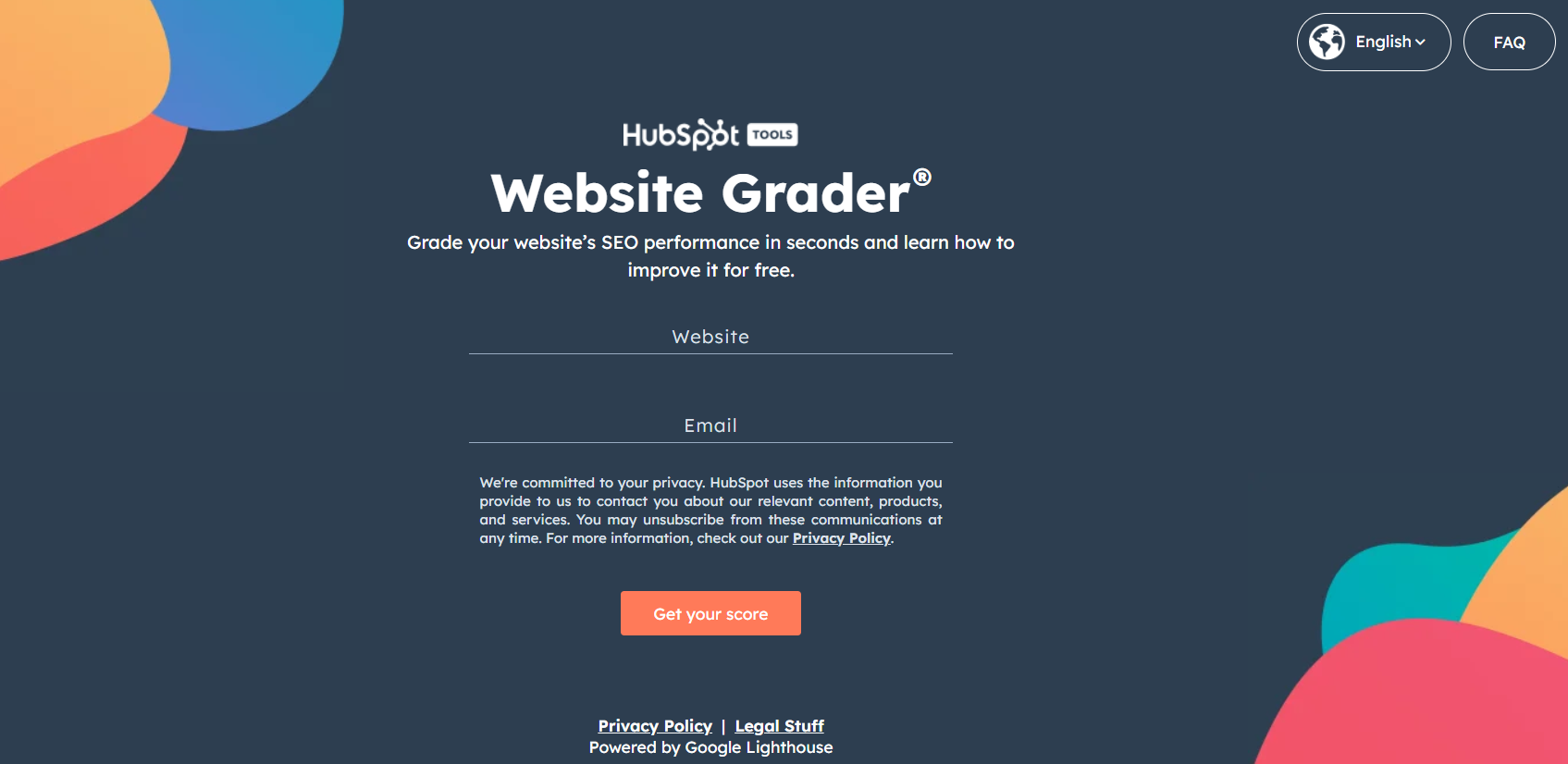
The report shows them where their site falls short, which gives HubSpot a natural reason to introduce its marketing software to people who already see the problem.
A free tool works best when it connects naturally to the product. A calculator can bring plenty of traffic, but that traffic has little value for customer acquisition if the people using it have no reason to try your SaaS product.
Tools also take developer time to build and maintain, so this approach makes more sense for product-led SaaS companies with a free plan or trial.
Community and Reddit-Led Strategy
If your potential buyers ask for advice in online communities before they visit vendor websites, your brand needs to be part of those conversations.
People often believe a stranger on Reddit more than a vendor's own website, so they go looking for real opinions there and in other places where users talk freely, such as Slack groups and review sites.
A community strategy puts your team in those places with useful answers instead of ads. In practice, you can:
- Look for subreddits where your target audience asks which tools to use, and answer those questions honestly
- Mention customer stories or lessons you've learned, but only when they fit the thread
- Ask happy existing customers if they'd leave a review on G2 or Capterra
- Start your own community, such as a Slack group, where users can help each other out
These threads reach further than the people who read them. In September 2026, Reddit was the site ChatGPT cited most for US queries, with 16.8% of citations among top sources, based on Ahrefs data.
What people say about your category on Reddit can end up in the answers AI tools give about your SaaS brand.
Communities can also be difficult to navigate because people quickly notice when a company is there only to promote its product. Your team needs to give real answers first and bring up the product only when it genuinely fits what someone is asking.
AI Search Strategy
When buyers ask AI tools for software recommendations, the tools usually mention a few brands by name, and you want yours to be one of them.
Generative engine optimization (GEO) is about learning just what these tools look for when they pick their sources, since a brand that isn't mentioned may never get a visit.
AI tools seem to prefer relevant content that gets to the answer quickly and backs it up with facts, especially when the page is easy to scan.
According to Princeton University, pages with added statistics and quotes from credible sources became up to 40% more visible in AI answers.
To make your content easier for AI tools to cite, you can:
- Write comparison and "best tools for" pages that match the user intent behind recommendation questions
- Answer common questions near the top of the page in plain language
- Back up claims with statistics and expert quotes that link to the original source
- Use headings, tables, and FAQ sections that make information easy to pull out
- Keep product details such as pricing up to date
GEO builds on search engine optimization instead of replacing it, because AI tools often pull from pages that already rank well in Google search.
Strong on-page SEO and high-quality content still form the base of this strategy, and since AI visibility is harder to track than a normal Google ranking, this approach makes the most sense for SaaS companies in crowded categories that already have a solid SEO foundation.
Partner and Co-Marketing Strategy
If another company already sells to the people you want to reach, working together can get your brand in front of them much sooner than your own content would.
The best partners sell to the same target group as you but aren't competitors. A CRM and an email tool are a good pair, for example, and so are a project management app and a time tracker.
Common co-marketing formats include:
- A survey or report you run together and both share with your audiences
- A webinar where someone from each team talks about a topic both sides know well
- Guest articles, where you write for their blog, and they write for yours
- A how-to guide that shows people how to use the two products together
- Joint promotion in your email marketing, newsletters, social media platforms, and any other channels you both use
Since both companies promote the campaign to their own audiences, a small team can reach potential customers it would have a hard time finding alone.
The practical part is agreeing on the details before you start. Decide who creates each part of the content and where you will promote it, then agree on how to handle the leads that come in.
Partnerships tend to work best for younger SaaS companies with a small audience and products that integrate with tools their potential customers already use.
How to Build Your SaaS Content Strategy in 6 Steps
Once you know the main strategy types, the next job is to turn them into a plan that fits your company.
Step 1: Set a Business Goal for Your Content
Every content strategy should start with the result you want from it, since traffic on its own does not pay the bills. The goal usually follows the way you sell, so self-serve products tend to aim for trial or free plan sign-ups, while sales-led products aim for demo requests.
Once you pick the goal, give it a number and a deadline, such as a set number of demo requests from organic search by the end of next quarter. This gives your team a simple test for every topic idea, because a piece with no link to the goal probably does not belong in the plan.
Step 2: Learn How Your Buyers Choose Software
Next, find out who buys your product and what problem pushes them to look for a solution. Keyword tools show what people search for, but they can’t explain why a buyer chose you over a competitor or what made them walk away.
Most of those answers already sit inside your company. Sales call recordings show which questions come up before a deal closes, and support tickets reveal where new users get stuck.
A few short interviews with recent customers can fill in the rest, especially if you ask what led them to start their search and where they went for advice before they bought.
Step 3: Look at What Competitors Already Publish
With a clear picture of your buyer, look at what other companies in your category already put out. Search for the main terms buyers use and note which companies rank on Google, then ask ChatGPT and Perplexity the questions buyers would ask and see which brands come up in the answers.
As you go through competitor sites, pay attention to the topics they cover well and the questions they leave open. Those gaps are often your best openings.
Research may be your fastest way to stand out if no competitor publishes original data. Topics that bigger brands already cover well can wait until your site grows.
Step 4: Pick a Main Strategy and One or Two Supporting Ones
Now you can choose the approach that will get most of your time and budget, along with one or two smaller ones that support it.
The buyer research and competitor gaps from the previous steps should point you in a clear direction, and the four factors in the next section can narrow it down further.
In most cases, the mix follows your sales model. A self-serve product with a free plan can start with free tools and add integration pages later. An enterprise platform with a long sales cycle usually gets more from original research, with founder posts on LinkedIn as support.
Step 5: Plan Your First 90 Days of Content
A strategy only starts to work once it turns into real content, so the next step is a short plan for the next three months.
Start with topics close to a purchase decision, such as comparison pages or articles that answer common objections, because they reach people who already want a solution and tend to bring in demos sooner.
For each piece on the plan, write down:
- Buyer questions it answers
- The action you want readers to take next
- The person who owns it and the date it goes live
Keep the plan small enough for your team to finish. A short list that gets published on time will do more for your pipeline than a long calendar that falls apart after a few weeks.
Step 6: Measure Results and Adjust
Once the content goes live, track the numbers that tie back to the goal from Step 1. Page views and rankings show whether people find your content, but demo requests and sign-ups from content show whether it brings in revenue.
It also pays to ask your sales team which articles they send to prospects, since that tells you which pieces actually move deals forward.
Give each approach a few months before you judge it, because SEO and thought leadership take time to pay off. After that, review the full plan every quarter and keep what brings in the pipeline.
Why a Good Strategy Takes Time
Each of these steps looks simple on paper, but together they take weeks of research before a single article goes live.
For a small marketing team that already has a full calendar, the strategy often gets pushed back or built on guesses, and a wrong choice at Step 4 can cost months of content that brings in traffic but never turns into a pipeline.
That is why many B2B SaaS companies bring in a team that has done this before. ABHMedia builds content strategies around demos and paid users, so you get a plan that fits your product and your buyers from day one.
Book a strategy call with ABHMedia and skip the months of trial and error.
How to Choose the Right SaaS Content Strategy
The best strategy for your company comes down to four factors, and each one is covered below.
Product-Led vs. Sales-Led Growth
If people can sign up and start using your product without talking to anyone, your content needs to bring in many new users and send them straight to a sign-up page.
Free tools and programmatic pages usually work well here, because a visit can turn into a trial within minutes.
If you sell through demos and sales calls, your content has a different job. It needs to earn the trust of several decision-makers and give your sales reps something useful to send during a deal that may last weeks or months.
Original research and thought leadership tend to fit this model better.
Many sales-led teams also use account-based marketing, where marketing and sales select a list of target companies, often with tools like LinkedIn Sales Navigator, and create content for those specific accounts.
Deal Size and Customer Value
How much each customer pays changes how much you can spend to win them. One way to look at this is to compare your customer acquisition cost with your customer lifetime value, roughly the average subscription price multiplied by how long a typical customer stays.
If your plans cost, say, $30 per month, you need content that brings in a large number of sign-ups without spending too much to acquire each one.
If one contract is worth $50,000 per year, you can spend more time and money on content such as original research or thought leadership because a single deal can cover months of work.
New Category vs. Existing Category
Before you commit to an SEO-heavy plan, find out whether people actually search for your type of SaaS solution. If buyers already use clear terms to look for tools such as yours, programmatic SEO and AI search can help you capture that existing demand.
If your SaaS offering creates a new category, the search volume for your main terms may be close to zero.
In that case, thought leadership and community content can help you reach buyers before they start searching for the product, and SEO becomes more useful as the category becomes more established.
Company Stage and Resources
A two-person marketing team cannot run seven strategies at once, so early-stage companies usually get better results from one main approach and one supporting approach.
Growth-stage companies with more people and budget can add more strategies over time, and our SEO prioritization framework can help you decide which projects to start first.
Some companies also use paid advertising, such as Google Ads or LinkedIn ad campaigns, to get early traffic while their content grows.
That can help with short-term lead generation, but paid ads stop bringing in leads as soon as you stop paying, so they work better as support for your content strategy than as a replacement.
How to Combine Different Content Approaches
Few SaaS companies use only one of these strategies. Usually there is one that gets most of the budget, and one or two smaller ones that run next to it.
The strategies also feed each other more than you might expect. If you publish an industry report, for example, your founder can turn the findings into a few LinkedIn posts.
Your team can also share the numbers when someone on Reddit asks about the topic, and the report itself may end up as a source in AI answers.
That is a lot of valuable content from one piece of research, spread across several marketing channels, so for a small team it can be a powerful tool.
The right mix for your SaaS marketing strategy also depends on your stage. Early on, founder posts on LinkedIn and other social networks are often enough, since they cost little and don't need search demand.
Later, programmatic SEO or a free tool can bring in organic growth, and research with input from industry experts helps those pages earn links.
Larger companies often add AI search and partner campaigns to generate leads in new markets, with success stories from paying customers as proof.
Wait to add a new strategy until the first one shows results, since a small team spread across too many approaches rarely does any of them well.
What to Include in Your Content Strategy Document
A one-page document is usually enough, as long as your whole team understands what you plan to do and why. It should include:
- Your main strategy and the ones that support it
- The buyer you are writing for and the pain points your product solves
- Customer insights from sales calls and support tickets
- The business goal, such as demo requests or growth in monthly recurring revenue
- The numbers you will track in Google Analytics or your CRM, such as conversion rates from content to demos
- A date when you will review the results
Notes from sales and support often give more valuable insights than keyword tools, so they deserve real time.
Detailed keyword research and buyer journey maps can live in separate files, and once the plan is ready, your team can move on to SaaS content production.
Signs Your SaaS Content Plan Needs to Change
Even a good SaaS content marketing plan can stop working as SaaS businesses grow and their markets change.
The clearest sign is traffic that keeps rising while demos stay flat, which often means you target the same keywords as every competitor and attract readers who will never become new customers.
It is also worth checking whether ChatGPT and Perplexity mention your brand when buyers ask about your category, and whether your sales team ever sends your content to prospects. If neither happens, your content probably does not answer the questions buyers have when they compare tools.
Look at how your content serves people who already pay for the product. If loyal customers skip your guides about new features, more personalized content can support customer retention later in the customer journey, which is just as important as winning new accounts.
Get a SaaS Content Strategy Built Around Demos With ABHMedia
ABHMedia is a SaaS SEO agency that builds content strategies around revenue instead of page views. The team works with B2B SaaS companies that want organic search and AI search to bring in a real pipeline.
Every strategy ABHMedia creates starts with your product and the way your buyers choose software. Then they pick the approach that fits your company, whether that means programmatic SEO or content that earns mentions in ChatGPT and Google AI Overviews.
Their team handles the content and technical SEO along with link building, so you get one partner focused on demos and paid users.
Book a strategy demo and see how ABHMedia can bring your SaaS 10 to 20+ new demos per week!
FAQs About SaaS Content Strategy
What is the difference between a content strategy and content marketing?
A content strategy is the plan behind your content, with a clear goal and a clear audience. Content marketing is the hands-on work of producing that content and getting it in front of people.
What is the 7-11-4 rule in marketing?
The 7-11-4 rule is a popular guideline that says buyers usually need about seven hours of interaction, 11 touchpoints, and four different places where they see a brand before they decide to buy.
For SaaS companies, it explains why one blog post rarely leads to a sale and why it helps to reach buyers through several channels.
How long does a SaaS content strategy take to show results?
Most strategies need three to six months before clear results appear, depending on your site's authority and how much you publish. Free tools and programmatic pages often bring traffic sooner, while thought leadership usually takes longer to pay off.
How often should you update your SaaS content strategy?
Review your strategy every quarter to see which content brings in demos and sign-ups. Make bigger changes when your product, market, or buyers change, but give each approach enough time to show results before you switch.