


6 Best Tools for SEO for B2B You Should Use in 2026
,
October 2, 2026
A B2B company can rank for hundreds of keywords and still get few demo requests. Search traffic has more value when the people who reach your site match the buyers your sales team wants to reach.
SEO tools help you find those search terms, study competitors, spot site problems, improve content, and track results after someone clicks your page. Each platform covers a different part of the process.
In this article, you will learn about the six best tools for SEO for B2B and how each one can support your work in 2026.
TL;DR
Here are the six best SEO tools for B2B in 2026:
- Semrush: Best for all-in-one B2B SEO
- Ahrefs: Best for B2B competitor and backlink research
- Screaming Frog: Best for technical B2B SEO audits
- Surfer SEO: Best for B2B SEO cntent optimization
- Google Search Console: Best free tool for B2B search performance
- Google Analytics 4: Best for measuring B2B organic conversions
If you don’t want to manage these tools and handle SEO in-house, ABHMedia provides done-for-you B2B SaaS SEO, from strategy and technical audits to content creation and link building.
What Are the 6 Best Tools for SEO for B2B in 2026?
These are the six best SEO tools for B2B:
1. Semrush: Best for All-in-One B2B SEO
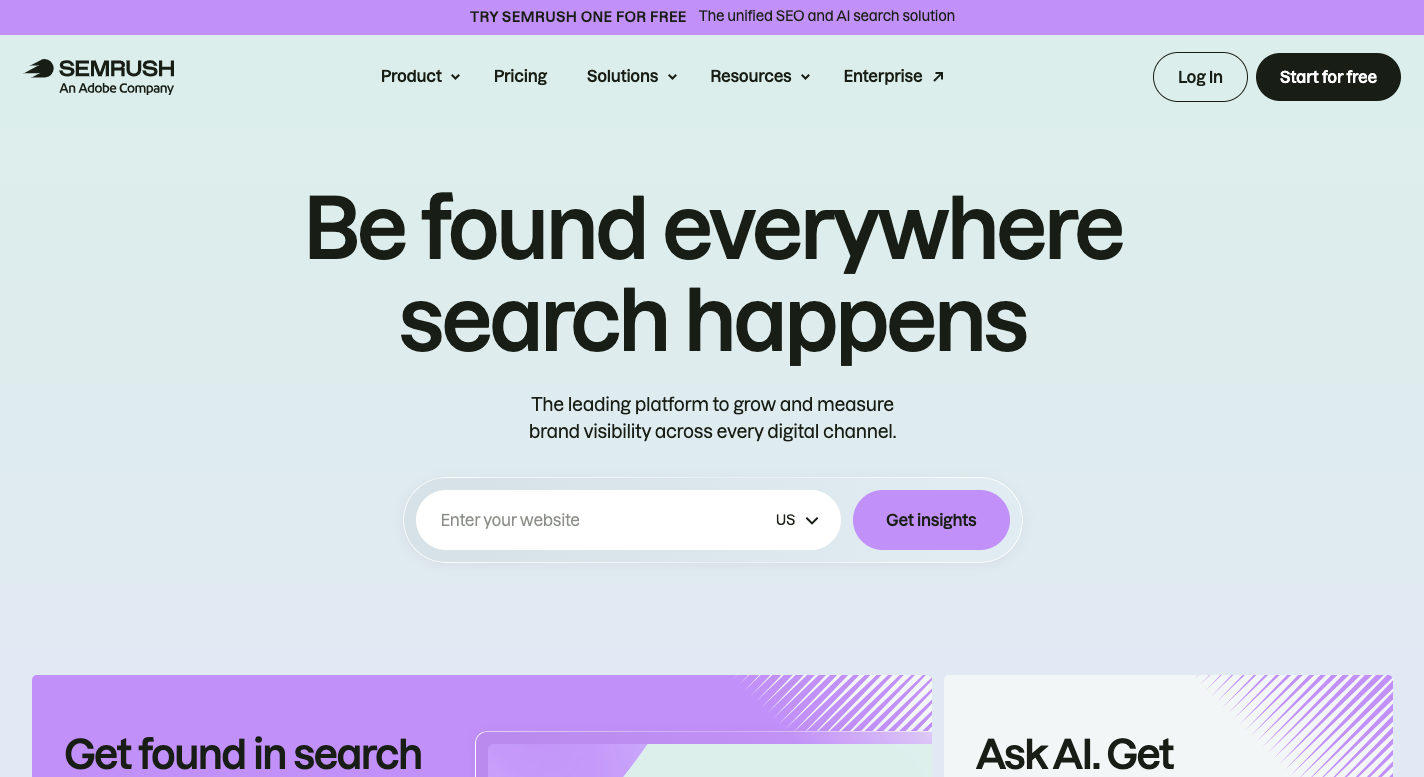
Semrush is an all-in-one marketing platform for keyword research, competitor checks, technical SEO, backlinks, and rank tracking. B2B companies can filter terms by search intent and search volume to find specific phrases that show buying interest.
This helps marketing teams prioritize high-intent keywords connected to product comparisons, pricing, and purchase decisions.
For example, “enterprise fleet management software price” tells you more about a buyer’s needs than a broad term such as “fleet management.”
Keyword gap compares your site with up to four competitors and finds content gaps where other domains rank and yours doesn’t. Semrush also supports competitive analysis through organic research, where you can review ranking pages, traffic estimates, and competitor strategies.
Site audit checks technical problems, and position tracking follows your keyword rankings over time.
Key Features
- Keyword Magic Tool - Finds related terms and lets you filter them by intent, volume, difficulty, and other search metrics.
- Keyword Overview - Gives you a closer look at one term, including its intent, estimated monthly searches, difficulty, and current results.
- Keyword Gap - Compares your site with up to four competitors and shows “Missing” or “Untapped” terms where other domains already rank.
- Site Audit - Crawls your website and flags broken links, slow pages, crawl problems, and other technical issues that need attention.
- Position Tracking - Monitors selected Google terms and shows whether important pages move up or down in the results.
- Backlink Gap - Finds websites that link to your competitors and gives you potential targets for link outreach.
- AI visibility tools - Tracks brand mentions and citations on AI services such as ChatGPT, Gemini, and Perplexity.
- Advanced features - Gives paid users access to deeper market, traffic, and competitor data based on the Semrush plan and add-ons they choose.
2. Ahrefs: Best for B2B Competitor and Backlink Research
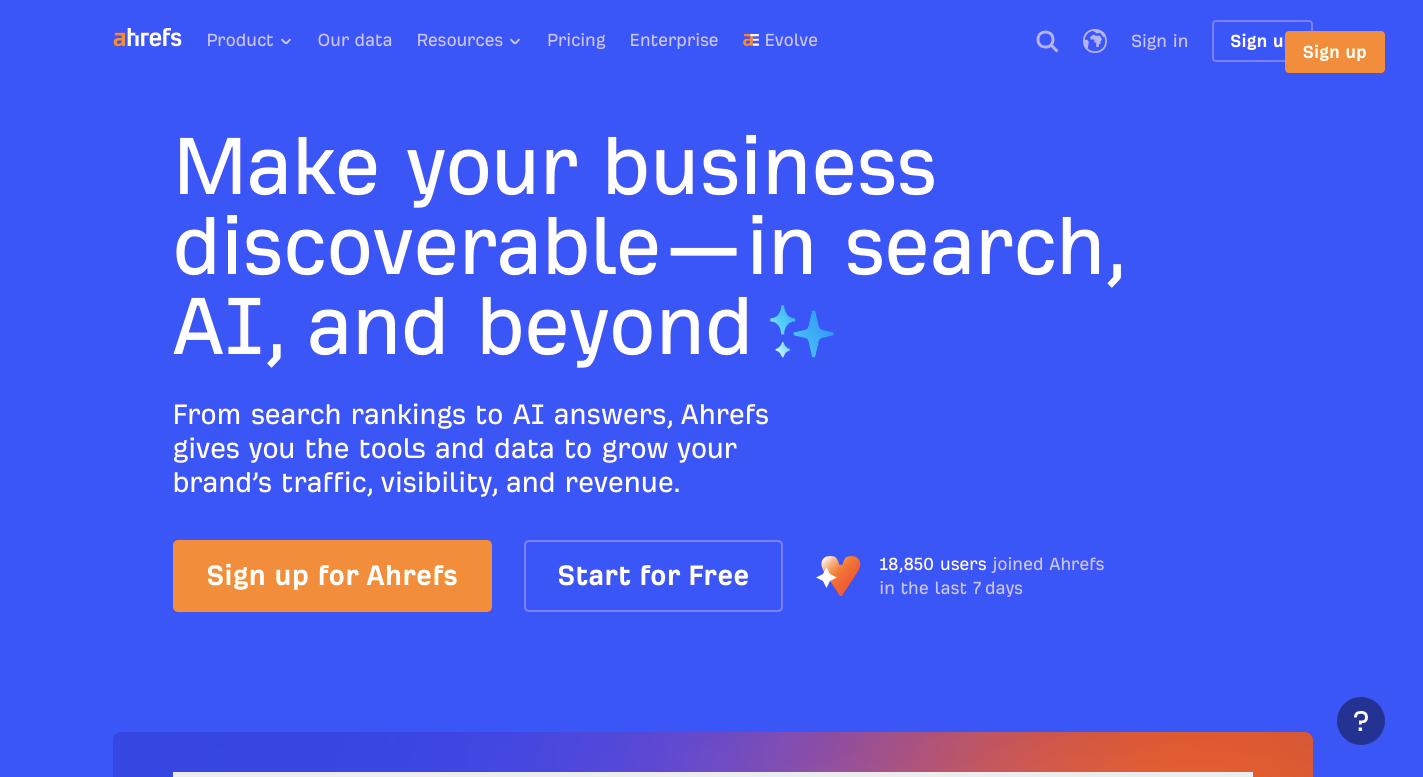
Ahrefs is an SEO platform that tracks backlinks, keywords, rankings, and websites through its own web crawler. B2B teams often use it for competitive research because Site Explorer shows where your competitors get links and organic traffic.
Enter a competitor’s domain in Site Explorer, and Ahrefs lists its backlinks, top pages, organic keywords, and paid search data. You can see which industry blogs, review sites, and other websites link to competing businesses. Those findings can give your link building team relevant outreach targets.
Keywords Explorer then shows difficulty on a 1 to 100 scale, volume, traffic potential, and related terms. Its content gap analysis uses Ahrefs’ SEO data to find search terms competing sites rank for that your domain misses.
Most of its full research features require a paid Ahrefs plan.
Key Features
- Site explorer - Shows a competitor’s backlinks, top pages, organic keywords, estimated traffic, and paid search activity.
- Content gap - Compares your domain with competing sites to find keywords they rank for and you don’t.
- Link intersect - Finds websites that link to several competitors without linking to your domain.
- Site audit - Crawls your website and reports technical problems such as broken pages, redirects, and missing tags.
- Rank tracker - Follows selected Google positions over time and compares your results with competing domains.
- Content explorer - Works like a search engine for web content, helping you find popular articles, authors, and sites in your industry.
- Batch analysis - Checks SEO metrics for up to 200 URLs or domains at the same time.
3. Screaming Frog: Best for Technical B2B SEO Audits
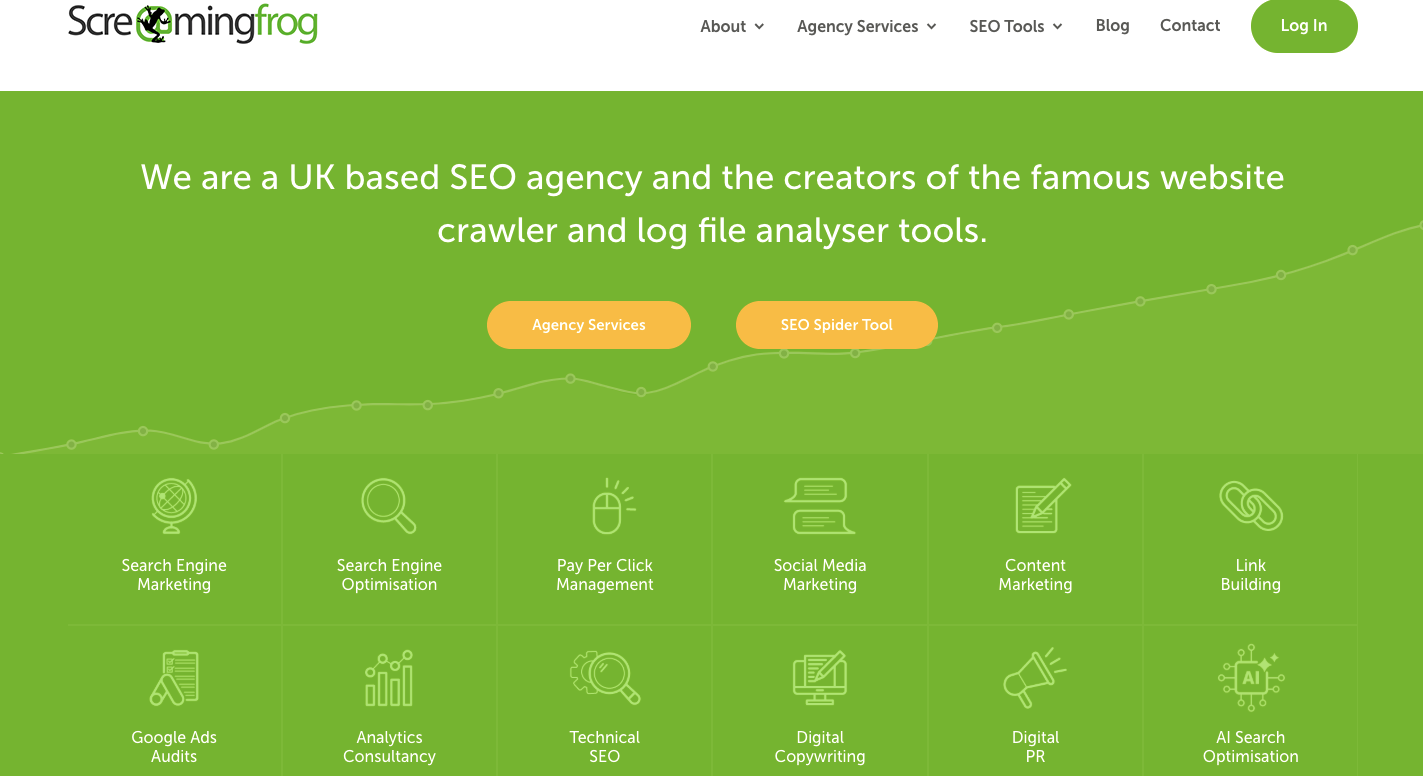
Screaming Frog SEO Spider is a desktop program that you install on your computer. Enter your website URL and start a crawl, then Screaming Frog follows its links and checks the entire site much as a search crawler would.
B2B websites can have hundreds or thousands of product pages, guides, whitepapers, and demo forms. Regular technical audits help teams find technical SEO issues before buyers reach a dead page or search crawlers have trouble reading an important URL.
For example, Screaming Frog reports HTTP response codes to find broken links, 404 pages, and redirect chains. It can spot duplicate content and review hreflang tags for companies with separate country or language pages.
Compared with cloud-based site audit tools, the desktop software gives teams direct control over crawl settings and exported data.
Key Features
- Response codes - Tests URLs and shows 404 errors, server errors, redirects, and the pages linking to them.
- Redirect auditing - Finds redirect chains and loops that send buyers or crawlers through unnecessary URLs.
- Content checks - Reviews page titles, meta descriptions, headings, word counts, and repeated text.
- Indexability checks - Reads robots.txt rules, noindex tags, canonicals, and other instructions that affect crawling or indexing.
- Hreflang auditing - Checks language and country tags for missing references, incorrect codes, and other setup problems.
- JavaScript rendering - Uses Chromium to load JavaScript and check content that doesn’t appear in the first HTML response.
- Crawl scheduling - Provides automation capabilities for running crawls on a schedule and saving or exporting the results.
4. Surfer SEO: Best for B2B SEO Content Optimization
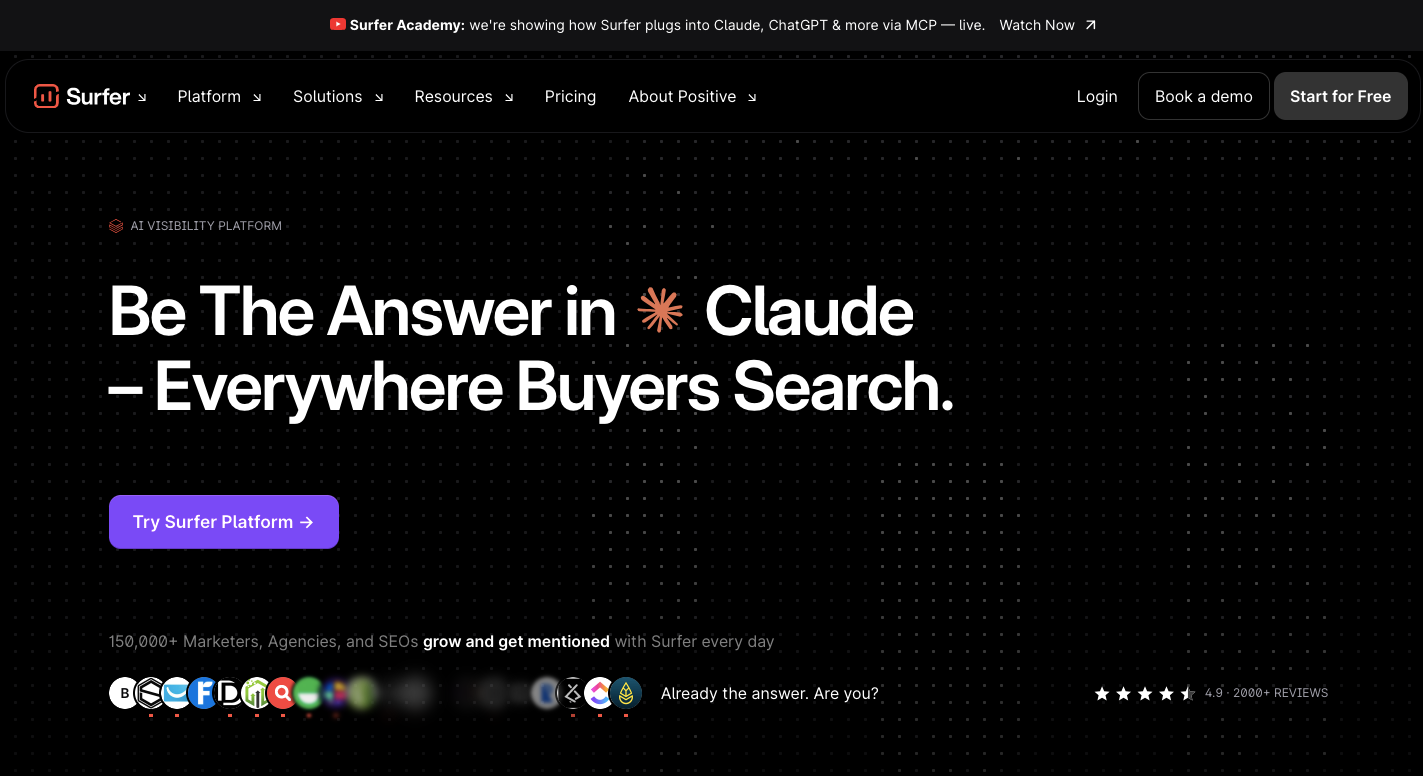
Surfer SEO is a cloud-based content optimization tool that helps writers improve pages for search. Its Content Editor studies the top-ranking pages for a target keyword, then uses those results to suggest a word count, headings, related terms, and other page elements.
B2B writers can use Surfer SEO content optimization when they’re unsure how much detail a topic needs. First, input a phrase such as “B2B payment processing software,” and Surfer creates a writing workspace with recommendations based on competing results.
A live score from 0 to 100 changes as you edit. Suggested terms help writers check topic coverage and keyword density during content creation.
You can work in Surfer or connect the tool with Google Docs. Existing pages can go through an audit to find possible on-page SEO updates.
Key Features
- NLP terms - Lists related words and phrases that can help writers cover the main concepts connected to a topic.
- Competitor selection - Lets you choose relevant ranking pages that Surfer will use to build its recommendations.
- Content score - Updates as you write and shows how closely the draft follows the guidelines in your editor.
- Content planner - Groups related keywords into topic ideas that can help teams plan future articles.
- Audit - Compares an existing URL with current ranking pages and points out areas worth reviewing or updating.
- Surfer AI - Creates search-focused article drafts based on a chosen topic and your selected settings.
- SERP analyzer - Shows page-level data from search results for teams that want a closer look at competing content.
5. Google Search Console: Best Free Tool for B2B Search Performance
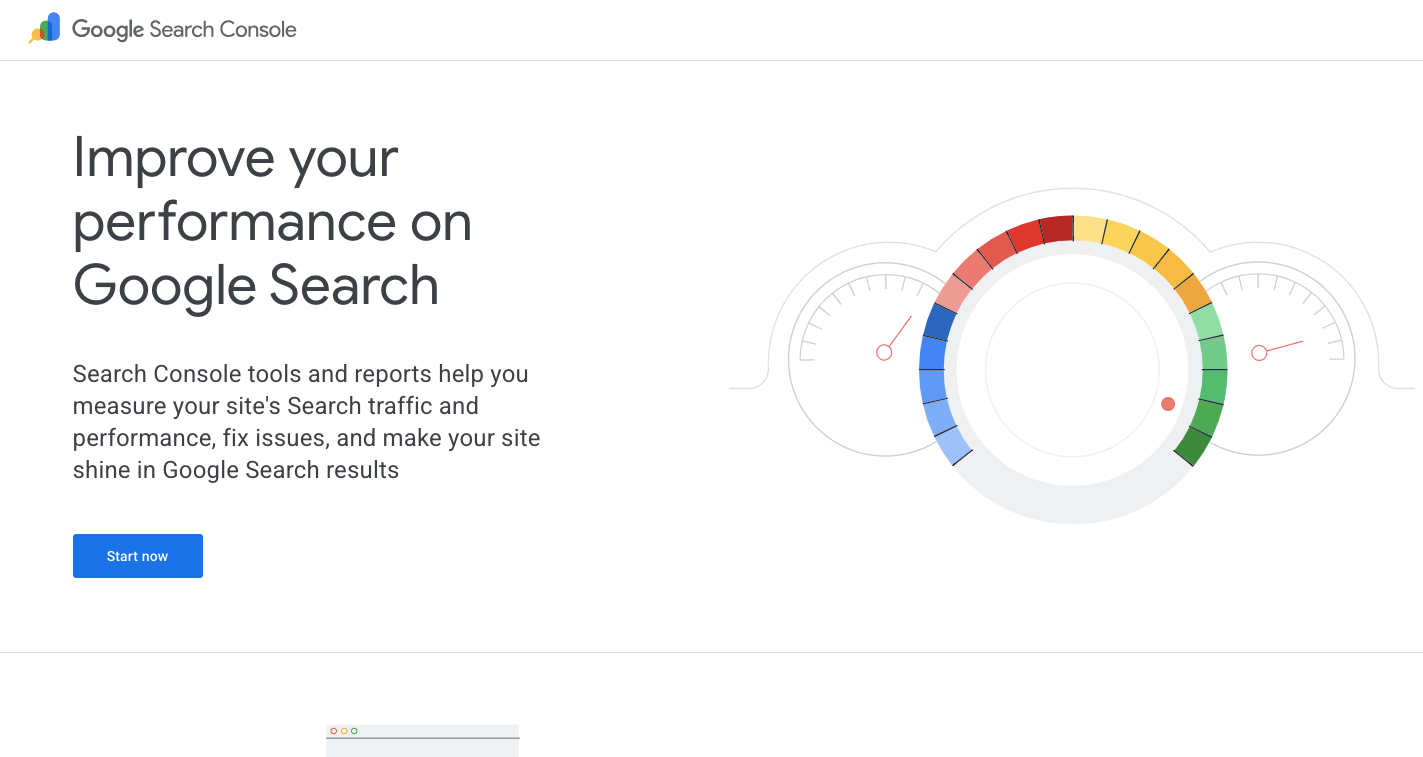
Google Search Console is a free service from Google that helps you check how your website performs in Google Search. You can see the real search queries buyers use to find you, plus clicks, impressions, average position, and CTR.
Performance reports help you track search visibility for high-value pages. A product page, for instance, may appear thousands of times for “enterprise warehouse logistics software” yet receive few clicks.
Your team can use that data to review the title and description shown in search results.
For a new page, paste its URL into URL inspection to check its index status and request another crawl. Developers can review Core Web Vitals data, and Search Console reports supported schema markup problems.
No free version of a paid SEO platform replaces its first-party Google data, which makes Search Console one of the right tools for tracking organic performance.
Key Features
- Performance report - Shows clicks, impressions, CTR, and average position for queries and pages.
- Request indexing - Lets you ask Google to recrawl a new or updated URL without guaranteeing that it will enter the index.
- Page indexing report - Lists indexed and non-indexed URLs and explains why certain pages may be excluded.
- Sitemaps - Lets you submit an XML sitemap to help Google find important URLs on your website.
- Structured data reports - Reports errors and warnings for supported structured data types used on your pages.
- Links report - Shows external linking sites, top linked pages, internal links, and common linking text.
- Security and manual actions - Alerts you to detected security problems or manual actions applied by Google.
6. Google Analytics 4: Best for Measuring B2B Organic Conversions
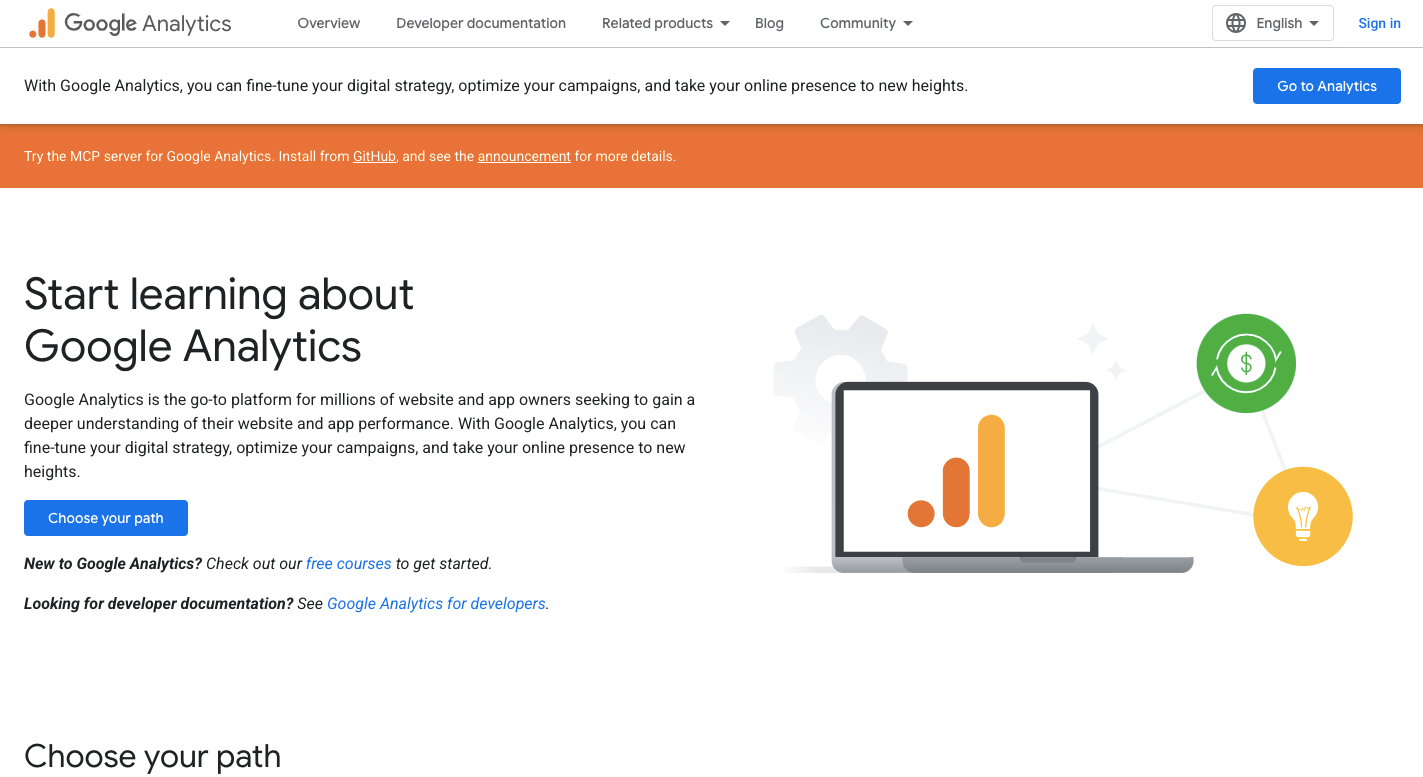
Google Analytics 4 is a free web analytics service from Google that tracks website traffic and user activity. GA4 focuses on events, such as a visitor downloading a PDF, submitting a form, or signing up for a trial.
To judge your SEO efforts, you need more than traffic numbers. In GA4, you can mark important actions as key events and see whether organic traffic contributes to demo requests, sign-ups, or other valuable actions.
Using traffic acquisition and landing page reports, you can isolate visitors from organic search and see which pages brought them to your site. Someone might find a blog post on Monday, return to a product page later, then submit a form during another visit.
Tracking these actions helps teams study organic search performance and determine whether search contributes to qualified leads.
Key Features
- Enhanced measurement - Tracks common actions such as scrolls, file downloads, outbound clicks, site searches, and video engagement.
- Key events - Lets you mark valuable actions such as form submissions or sign-ups and compare results by traffic source.
- Path exploration - Shows the sequence of pages and events users move through during their visits.
- Funnel exploration - Tracks a defined series of steps and shows where users continue or leave the process.
- Content groups - Groups pages into categories such as blog posts, case studies, or product pages when you configure them.
- Search Console integration - Connects supported Google Search Console data with GA4 for additional organic search reporting.
- BigQuery export - Exports event-level data to BigQuery for teams that need custom analysis beyond standard GA4 reports.
Do You Need Every B2B SEO Tool on This List?
No, you don’t need every tool on this list. Buying several SaaS SEO tools at once can overwhelm small teams and leave them paying twice for similar raw data.
Most B2B companies need one main platform for keyword research, competitor analysis, and backlink research. Choose Semrush or Ahrefs based on your SEO strategies and current needs.
Aside from that, you can add Surfer SEO when you need help with content optimization, or use Screaming Frog when technical audits require deeper crawling. Surfer can fit into a content management system workflow for teams publishing regularly.
Keep Google Search Console and GA4 for search and conversion data.
A practical SaaS SEO strategy focuses on the current problem. In simple terms, the right SEO tools are the ones your team will actually use.
Should You Use Specialized SEO Tools or Hire an SEO Service?
Choosing between specialized tools and an SEO service depends on your budget, available time, and internal skills. Marketing teams with experienced writers, developers, or content marketers may prefer software because they can control their own SEO performance and turn actionable insights into work.
Hiring SEO professionals makes more sense when your team doesn’t have enough time or expertise. SEO requires keyword research, top-ranking content, technical fixes, link building, and accurate Google Search Console integration.
An SEO agency can handle those jobs instead of giving you more reports to manage.
Modern search engines have changed how brands approach optimization. Services may now combine traditional Google SEO with AI search and answer engine optimization. Some companies use a hybrid setup to keep familiar work in-house and outsource tasks that require specialist skills.
Move From B2B Tools to Done-for-You SEO With ABHMedia
SEO tools can show you keywords, backlinks, technical problems, and traffic data. Someone still needs to decide what to prioritize, write the content, fix technical issues, build links, and track whether the work brings in customers.
ABHMedia does all that for B2B SaaS companies. We start with a strategy session to understand your company and ideal customer profile, then build a custom SEO strategy based on buyer intent.
Our team handles technical SEO audits, content creation and optimization, targeted link building, programmatic SEO, and conversion tracking. Monthly analytics and conversion reports show how the work connects to qualified leads, demos, trial sign-ups, and paid users.
Clients such as Activepieces, TextUs, Briefpoint, and Odin AI have worked with ABHMedia. You own everything we create, and there are no long-term contracts.
FAQs About the Best Tools for SEO for B2B
Is SEO worth it for B2B?
Yes. B2B SEO can attract buyers who are already searching for a problem, service, or software solution you sell. Strong commercial rankings can lead to qualified leads, demos, trials, and customers.
Is SEO dead now with AI?
No. AI has changed how people search, but Google and other search platforms still rely on useful, authoritative web content. Companies now need to consider traditional SEO alongside visibility in AI search experiences.
How to do B2B SEO?
Start by identifying your ideal customer and the searches they make during the buying process. Target relevant keywords, publish useful content, fix technical SEO problems, earn quality backlinks, and measure conversions instead of traffic alone.
What are the 5 best SEO tools?
Five of the best SaaS SEO tools are Semrush for broad SEO research, Ahrefs for competitor and backlink analysis, Screaming Frog for technical audits, Surfer SEO for content optimization, and Google Search Console for first-party search performance data.





.png)