B2B Content Marketing: The Complete Guide for 2026
,
November 17, 2026
Most B2B buyers do a large part of their research alone. They read articles and compare vendors long before they agree to a call, and a growing number of them now ask ChatGPT or Claude for a shortlist of tools before they even open Google.
B2B content marketing is how a company shows up during that research. The right content answers the questions business buyers have at each stage, and it sends the most interested readers toward a demo or a free trial.
Many B2B companies already publish content on a regular schedule, yet few of them can point to the deals it brought in. The problem is rarely the amount of content but a plan that targets traffic when it should target the people who sign the contract.
In this guide, you will find out how B2B content marketing turns readers into qualified leads, along with a seven-step plan to build a strategy that brings in demos and not just visitors.
TL;DR
- B2B content marketing is the process of publishing useful content that attracts other businesses and answers their questions before they talk to sales, so it brings in qualified leads rather than casual readers.
- It works because business buyers research on their own for weeks, and content that reaches the whole buying committee puts your brand on the shortlist early.
- The most effective formats include comparison pages and case studies, since they reach buyers who are already close to a decision.
- A strong strategy starts with a revenue goal and clear buyer personas, then puts bottom-of-funnel content first before it expands to earlier stages of the customer journey.
- ABHMedia builds B2B content marketing strategies that rank on Google and in AI search and turn that visibility into demos and paid users.
What Is B2B Content Marketing?
B2B content marketing is the process where a company creates and shares useful content to attract businesses that might need its product or service.
Instead of a hard sales message, the content answers their questions and explains the problems they face, so potential customers can make informed buying decisions.
For example, a company that sells project management software might build its SaaS content marketing around guides on how to manage remote teams and pages that compare its tool with competitors. It can also share case studies that show how current customers use the product.
B2B content comes in many formats, from blog posts and videos to research reports. Some content introduces your brand to new buyers, while other pieces give them a reason to compare solutions or to contact your sales team.
The goal is to attract the right businesses and earn their trust, not only to bring in more website visitors. That trust is what turns interest into qualified leads and customers.
How Does B2B Content Marketing Work?
B2B content marketing works because it reaches potential customers at different stages of their buying journey.
Someone who has just discovered a problem might search Google for advice. Later, they might read a product comparison or a case study, and some will ask ChatGPT which tools are best for their needs.
Your content supports them at each stage:
- Awareness: Educational articles and guides explain the problem, so buyers understand what they need to fix.
- Consideration: Comparison pages and webinars show buyers the possible solutions and how they differ.
- Decision: Case studies and customer testimonials give buyers the proof they need to choose a provider.
Because B2B purchases often involve several decision makers and longer sales cycles, buyers usually read more than one piece of content before they contact sales.
Gartner puts the typical B2B buying group at 5 to 11 stakeholders, and each of them may look for something different.
A strong content marketing strategy puts useful information from your business in front of all of them throughout that process.
B2B vs. B2C Content Marketing: What's the Difference?
The main difference between B2B and B2C content marketing is who you're trying to reach and how they make buying decisions.
B2B content marketing targets businesses, where buyers often compare several options and get approval from their team before they buy. They also want to understand how a product will benefit their company, so the content has to answer those questions in detail.
B2C content marketing targets individual consumers, who usually decide much faster. Their choices often depend on personal preferences or emotions, and in many cases on an immediate need they want to solve right away.
Here are the key differences:
Why B2B Content Marketing Works
B2B content marketing works because it fits the way business buyers already research their options, so the companies that answer their questions early tend to end up on the shortlist.
In its 2024 benchmark research, the Content Marketing Institute found that 87% of B2B marketers say content generates demand and leads, while 58% saw sales and revenue grow as a result.
Here is where those results come from:
- It builds trust with decision-makers. Buyers who have read your guides and case studies already know what you can deliver, so sales calls start from trust rather than doubt.
- It generates qualified leads. Pages built around bottom-of-funnel searches attract readers who already compare tools and are close to a purchase.
- It supports long sales cycles. Content keeps your brand in front of buyers while a deal moves slowly, and reps can send each stakeholder the piece that answers their concern.
- It improves organic traffic and brand visibility. Each article that ranks brings in visitors from Google and raises the chance that AI tools mention your company.
- It reduces customer acquisition costs over time. Paid ads stop the moment the budget runs out, while a ranked article can bring in leads for years without extra spend.
Types of B2B Content Marketing
B2B content marketing covers many content formats, and each one reaches buyers at a different stage of their journey. Some pieces introduce your business to new readers, while others give buyers what they need to choose a provider.
SEO Blog Articles and Educational Guides
Long-form blog posts and guides answer the questions your buyers type into search engines, so they bring in people who still want to learn about a problem.
The best ones start with keyword research and cover one topic in full, and teams that create content every month usually follow a set content production process.
Comparison and Alternative Pages
Comparison pages put your product next to a competitor, while alternative pages target people who look for other options to a tool they already use.
These searches come from buyers who are close to a choice, so the pages tend to convert well, especially when they stay honest about where each tool fits best.
Case Studies and Customer Success Stories
Case studies show how a real customer solved a problem with your product and what results they got. According to CMI research cited by Shno, 53% of B2B marketers name case studies among their best-performing formats.
Sales teams also share stories from past clients in deals, since proof from a peer often answers objections better than a product page.
Original Research and Industry Reports
Original research gives buyers data they can’t find anywhere else, and 93% of B2B marketers in a 2026 TopRank and Ascend2 study said this kind of content works well for engagement and leads.
Salesforce follows this model with its “State of” reports, and pages of this kind earn links and AI citations for years.
Thought Leadership From Founders and Experts
Thought leadership shares the views of the people behind a company, for example, a founder who writes on LinkedIn about where digital transformation is headed in their industry.
Business leaders read these pieces to learn something new, so an expert who shares lessons from real projects earns more attention than one who repeats common advice.
Webinars and Video Content
Webinars let buyers learn from your team in real time, which suits complex products that are hard to explain in text.
Short clips of product demos or customer interviews are easy to share across multiple channels, and 48% of marketers in the TopRank and Ascend2 research want more video in their thought leadership.
Email Newsletters and Nurture Sequences
Newsletters share your newest content with subscribers on a regular schedule, so your brand stays in front of people who already showed interest.
Nurture sequences go a step further and send each new lead a set series of emails, so someone who downloads a pricing guide might get a case study a few days later.
Free Tools, Templates, and Calculators
Free ROI calculators and budget templates give buyers genuine value right away.
A payroll software company, for example, might offer an employee cost calculator that asks for an email address before it shows the full result, which turns the tool into a steady source of lead capture.
Sales Enablement Content
Sales enablement content gives your reps material for late-stage deals, such as one-page product summaries and short decks that a champion can show their boss.
When marketing and sales plan it together, reps spend less time on custom documents and more time with buyers who are close to a decision.
Product-Led Content and Use Case Pages
Product-led content shows readers how to solve a problem with your product as part of the answer, and a project management tool, for example, might publish a sprint planning guide that walks through each step inside its own software.
Use case pages focus on one audience or task, so visitors see how the product fits their exact work, which is why these pages tend to bring in more qualified leads.
How to Build a B2B Content Marketing Strategy in 7 Steps
A good B2B content marketing strategy starts with two questions: who you want to reach, and what you want those people to do after they read your content.
Each piece should have a clear purpose, from the first article that attracts a new buyer to the comparison page that brings them to a demo.
The seven steps below show how to build a strategy that brings in qualified leads and supports revenue growth.
Step 1: Tie Your Content Marketing to a Revenue Goal
Before you choose topics or write articles, decide what you want your content to achieve. More website traffic is useful, but traffic alone doesn’t pay the bills, so your content should bring in leads and demo requests that turn into new customers.
Start with a specific business goal, e.g., 30 qualified demo requests per month from organic search for a B2B SaaS company. Then work backward to figure out how much traffic and how many conversions you’ll need to reach that number.
Choose a few SEO KPIs to track along the way:
- Organic traffic: How many people find your website through search.
- Conversion rate: How many visitors book a demo or take another action.
- Qualified leads: How many leads match your ideal customer profile.
- Sales pipeline: How much potential revenue your content brings in.
These goals show you which topics deserve attention and whether your B2B content marketing efforts work, and they give you a solid base for your SEO roadmap.
Step 2: Define Your ICP and Buying Committee
Your content won’t bring in qualified leads if it attracts the wrong audience, so the next step is to define your ideal customer profile (ICP).
This profile describes the type of business that is most likely to benefit from your product or service, based on its industry and company size, as well as the problems your product solves.
Then identify the people involved in the purchase. In B2B, the person who researches a product isn’t always the one who approves it, so a project management software company might need to reach several groups:
- Team managers who want to improve productivity.
- Operations leaders who need better visibility into projects.
- IT teams who care about security and integrations.
- Finance teams who evaluate pricing and ROI.
Each of these people has different questions, so your content should speak to them directly rather than give every potential customer the same message.
Step 3: Learn How Your B2B Buyers Search and Talk About Their Problems
Once you know who your buyers are, find out how they describe their problems and search for solutions.
They rarely use the same terms as your marketing team, so someone who needs an AI sales tool might search for “how to automate lead qualification” instead of “AI sales agent software.”
You can learn how buyers talk from a few sources:
- Sales calls and customer support conversations.
- Interviews with existing customers about their buying process.
- Questions people ask on Reddit and industry forums.
- Competitor content and the keywords it ranks for.
- SEO tools that show relevant keywords and search intent.
Pay attention to the exact questions and frustrations buyers mention, along with the products they compare. Those insights become the base of a keyword list that covers both problem searches and competitor comparisons.
Step 4: Start With Bottom-of-Funnel Content
Many B2B companies start with broad educational articles because those keywords have higher search volume. The problem is that people who search for general advice often have no plan to buy anything yet.
Bottom-of-funnel (BOFU) content targets people who already research products or compare providers. These searches usually have lower volume, but the buying intent behind them is much stronger.
Good topics to start with include:
- Best [software category] for [specific industry]
- [Your product] vs. [competitor]
- [Competitor] alternatives
- [Software category] pricing
A customer support automation company, for example, could target “best AI customer support software” or “Intercom alternatives.” These pages should explain the options available and show where your product fits, so buyers have what they need to decide.
Once you’ve covered the most relevant high-intent topics, you can expand into educational content that reaches buyers earlier in their journey.
Step 5: Map the Rest of Your Content to Each Buying Stage
Not every potential customer is ready to buy today, since some buyers still want to understand their problem, while others research possible solutions or look for proof that a product works for teams similar to theirs.
Your B2B content strategy should cover each of these stages:
- Awareness: Educational guides and industry research that explain a problem.
- Consideration: Solution guides and use case articles that compare different approaches.
- Decision: Comparison pages and case studies that give buyers the proof they need to choose.
A marketing automation company, for example, might publish “How to Improve Email Conversion Rates” for awareness and “How to Automate Email Follow-Ups” for consideration, then target decision-stage buyers with “Best Email Automation Software.”
Connect related articles with internal links, so a reader who starts with a problem can move step by step toward your solution.
Then use an SEO prioritization framework to organize these topics into a content calendar based on buying intent and how much your team can publish each month.
Step 6: Distribute B2B Content Where Your Buyers Already Look
A new article won’t reach your target audience on its own, so you need a plan to get it in front of buyers on the channels they already use. The most useful ones for B2B companies include:
- Google: Optimize articles and landing pages for relevant search queries.
- LinkedIn: Share expert insights and original research with professionals in your target market.
- Email: Send newsletters and nurture sequences to people who have already shown interest.
- Industry communities: Join relevant discussions and share resources when they answer a real question.
- Partnerships: Work with industry publications and complementary businesses to reach new audiences.
One strong piece of content can also be repurposed into several formats. An original research report, for example, could become a blog article and a series of LinkedIn posts, and later the topic of a webinar. Focus on the channels where your buyers spend their time rather than try to be active everywhere.
Step 7: Measure, Refresh and Improve Your Content
B2B content marketing takes ongoing work, since an article that goes live today still needs attention in the months after. Look beyond rankings and traffic to see which pages bring in demo requests and qualified leads, and review your content regularly to find:
- Articles that rank well but don’t convert.
- Pages that attract visitors outside your target audience.
- High-intent content that needs better internal links or calls to action.
- Older articles with lower rankings or outdated information.
- Topics that bring in qualified leads and deserve more coverage.
If a comparison page brings in qualified demo requests but sits near the bottom of Google’s first page, an update to that article may deliver better results than five new blog posts.
Google’s own guidance on helpful content also favors pages that stay accurate, so regular updates protect the rankings you already have.
Use what you learn to update existing pages and choose better topics, so each new article or refresh brings in more of the right buyers and turns them into customers.
How AI Search Changes B2B Content Marketing
A large share of vendor research now happens inside chatbots rather than on Google. Buyers ask for a list of tools or a comparison of two vendors, and instead of a page of links, they get one written answer that names a few companies.
A brand that isn’t in that answer can lose a deal it never knew about. These assistants tend to cite pages that answer questions clearly and come from sources they trust, so a few changes to your content can raise your visibility in their answers:
- Answer the question early. Put a direct answer in the first lines of each section, then add the details below it.
- Use real data and expert input. Original research and insights from your team give AI models facts they can’t find on other sites.
- Earn mentions on other sites. Reviews and guest articles on industry sites show these models that other sources trust your brand as well.
- Keep your existing content library up to date. Old prices or outdated facts can push an AI answer toward a competitor’s page.
- Add FAQs to your main pages. Short question and answer blocks mirror the way buyers phrase their prompts.
To track performance, run the prompts your buyers would type into an AI assistant, and note which brands appear and which pages get cited. Semrush and Ahrefs now include AI visibility reports as well, so you can follow these mentions next to your Google rankings.
B2B Content Marketing Examples That Work
Here are four companies that use different content strategies to attract potential customers and earn their trust before they ever see a sales pitch.
HubSpot: Educational Content and Free Resources
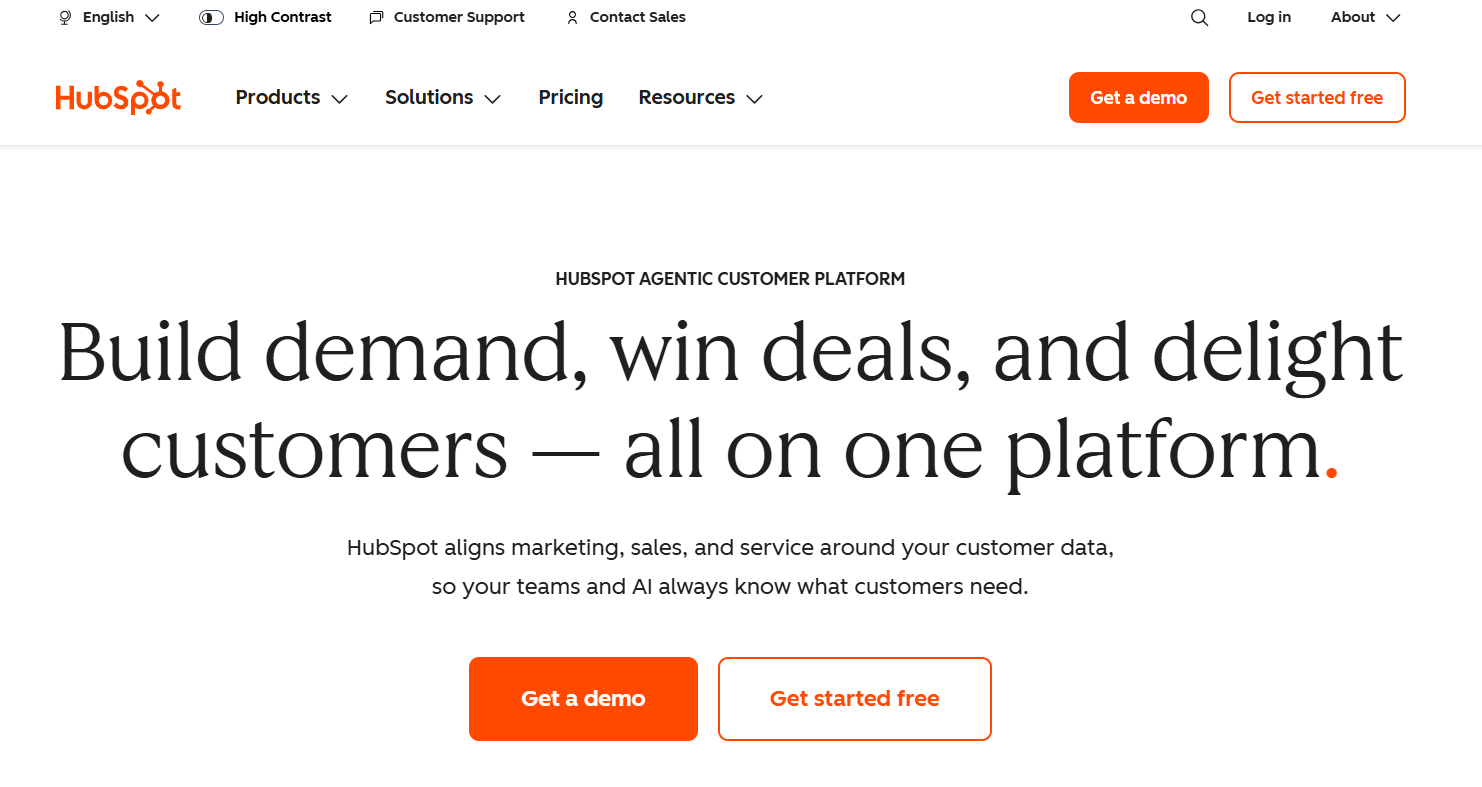
HubSpot is a CRM and marketing software company known for its educational content.
Its blog covers topics from lead generation to email marketing, and many articles target questions people search for before they’re ready to invest in software.
HubSpot also offers free templates and tools such as its Website Grader, along with courses through HubSpot Academy. These resources bring in marketers and sales teams and introduce them to HubSpot’s products.
Why it works: HubSpot reaches potential buyers early and gives them useful resources, so they have a reason to return as their business needs grow.
Ahrefs: Product-Led SEO Content
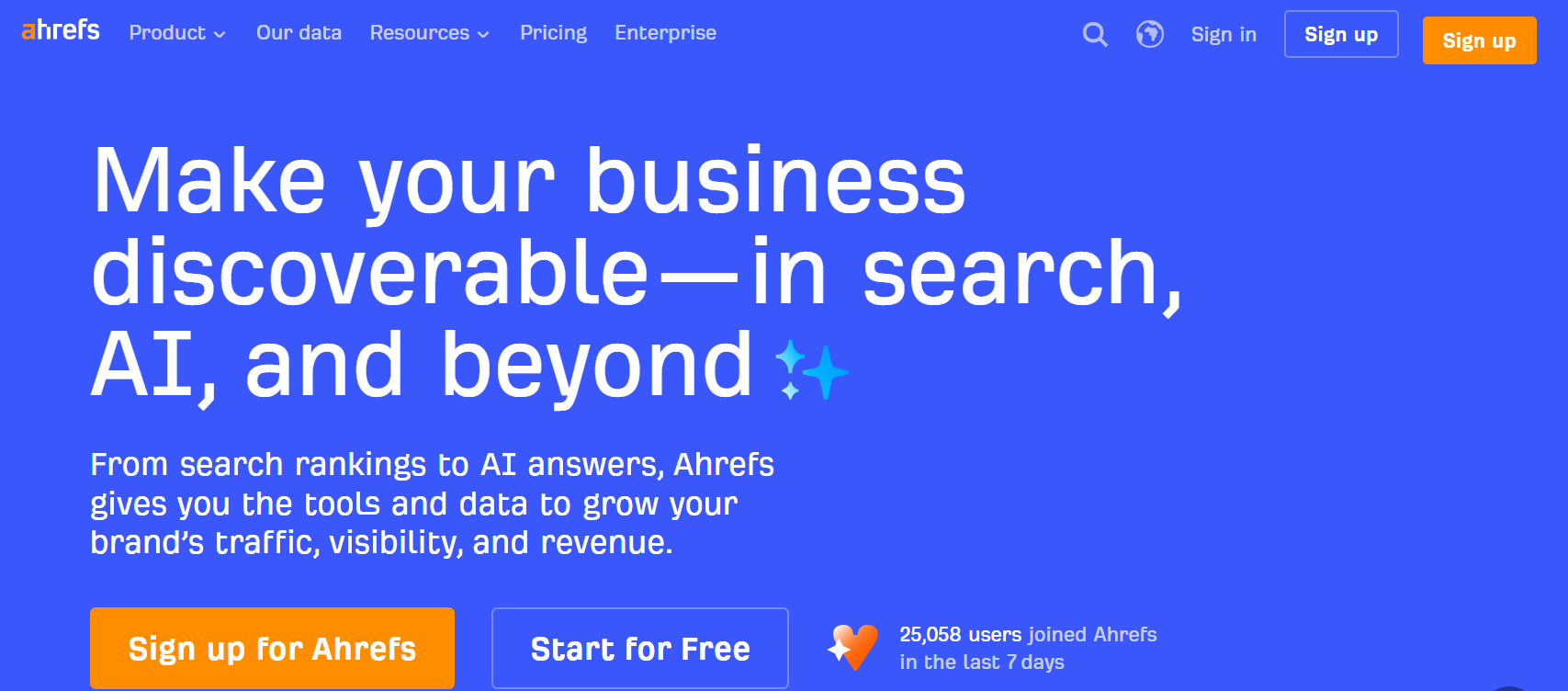
Ahrefs is an SEO software company that uses educational content to show people how to solve SEO problems with its tools.
Its blog and YouTube channel cover keyword research and link building, which are the same problems its customers care about.
Rather than only explaining SEO concepts, many tutorials show readers how to complete tasks inside Ahrefs. A keyword research guide, for example, might show how to find keyword opportunities in Keywords Explorer.
Why it works: Readers learn something useful while they see the product in action, so the content stays relevant to people who may eventually need an SEO tool.
Gong: Original Research and Data-Driven Content
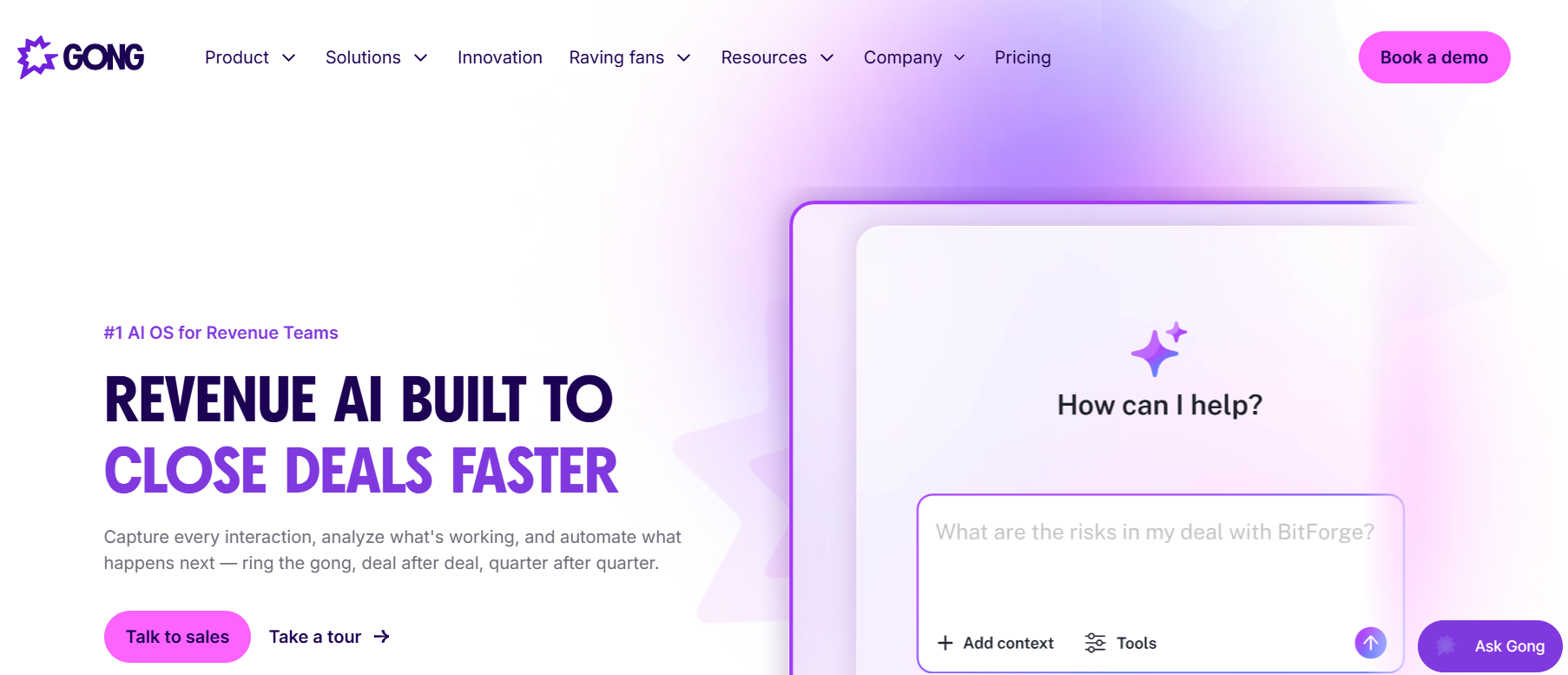
Gong is a revenue intelligence platform that helps sales teams understand customer conversations and improve their performance.
Its content marketing uses insights from sales conversations and customer interactions to explain what works in sales.
For example, Gong publishes research-based articles on topics such as discovery calls and follow-up emails, and these articles often include findings drawn from conversations analyzed through its platform.
Why it works: Gong can use data connected to its product to create content that’s harder for competitors to replicate. Its research gives sales professionals practical insights and shows the value of conversation intelligence at the same time.
Notion: Templates and Use Case Content
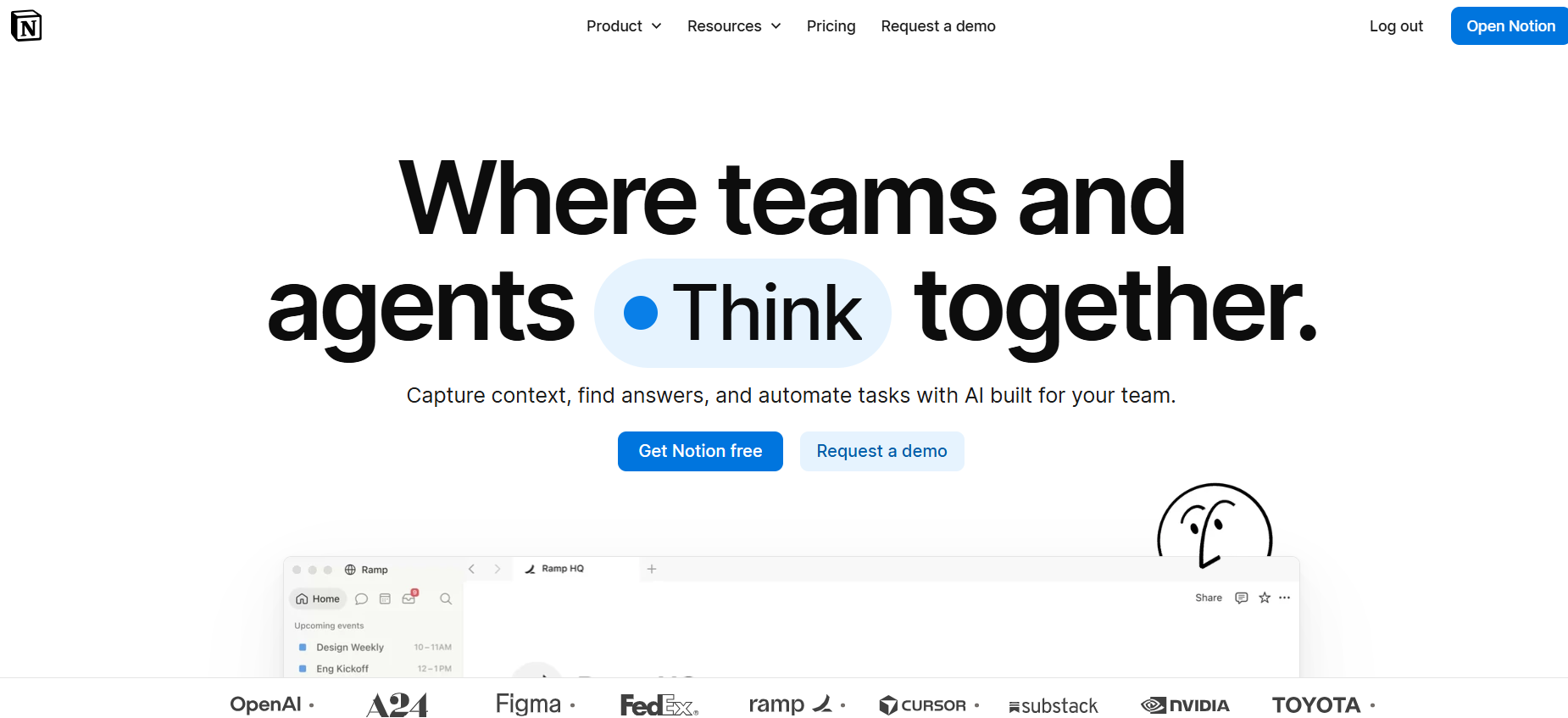
Notion is a workspace platform that helps teams organize their projects and documents in one place.
A major part of its content strategy is its template library, which includes resources for project management and meeting notes.
These templates attract people who search for ways to organize their work. Visitors can use the templates directly in Notion, which introduces them to the product through a practical task.
Notion also creates use case content that shows how marketing and engineering teams can use its platform.
Why it works: The content solves a problem for users right away. Rather than only describing product features, Notion gives potential customers a reason to try the software.
Common B2B Content Marketing Mistakes
Even teams with a solid budget can lose months to content that never brings in customers. These are the mistakes that come up most often, along with what to do instead:
- Publishing content without a clear strategy. Articles written on whatever topic comes up that week rarely add up to anything. Each piece should connect to a revenue goal and a specific buyer, so you know why it exists before anyone writes a word.
- Chasing traffic instead of qualified leads. A post with 20,000 monthly visitors can bring in zero demos if the readers have no reason to buy. Judge topics by how close the reader is to a purchase, and not only by search volume.
- Ignoring bottom-of-funnel keywords. Many companies skip comparison and alternative pages because the search volume looks small. These pages often bring in more demos than a dozen broad articles, since the people who search for them are already close to a decision.
- Creating generic content without original insights. If your article says the same thing as the top ten results, neither Google nor your buyers have a reason to pick it. Add something only your company can offer, such as customer data or lessons from real projects.
- Publishing content without a distribution plan. Even a great article can sit unread for months if you rely on search alone. Share each new piece through your newsletter and on LinkedIn, and give it to your sales team so it reaches buyers right away.
- Failing to update existing content. Pages lose rankings when their facts go out of date or competitors publish better answers. A quick refresh with a few SEO hacks on a page that already ranks often brings better results than a brand new article.
- Measuring content success only by rankings and traffic. High rankings look good in a report, but they don’t show whether content brings in revenue. Track demo requests and qualified leads from each page, so you can see which content actually pays for itself.
How ABHMedia Can Help With B2B Content Marketing
B2B content that ranks on Google is only half the work, since that traffic still has to turn into qualified leads and customers.
ABHMedia is a B2B SEO agency that builds content marketing strategies to attract buyers who are actively looking for solutions. The team focuses on the content that can make a real difference to your pipeline, including:
- B2B keyword research: The topics and search terms your ideal customers use when they research solutions.
- Content strategy and creation: Educational guides, comparison pages, and other content that supports the buying journey.
- SEO optimization: Improvements to your website and content that reach more potential customers through Google.
- AI search visibility: Content that makes your brand easier to find in AI search tools.
- Content performance: A focus on qualified traffic, leads, and conversions rather than rankings alone.
Whether you’re about to start your B2B content marketing strategy or want to improve an existing one, ABHMedia can point your content toward real business goals.
FAQs About B2B Content Marketing
What content formats work best for B2B content marketing?
The best content formats depend on where your buyers are in the sales funnel. Blog posts and guides bring in readers who are still researching a problem, while case studies and comparison pages generate leads from buyers who are close to a decision.
Most B2B companies get the best results from a mix of both, so valuable content reaches buyers at every step.
How do buyer personas fit into B2B content strategies?
Buyer personas describe the people who take part in a purchase, including their job titles and the pain points they face at work.
Good content strategies use these personas to create targeted content for each stage of the customer journey, so a finance lead and an IT manager each find answers to their own questions.
Personas are also a reliable source of content ideas, since each concern on the list can become a new article.
How long does it take for B2B content marketing to drive revenue?
Most B2B companies start to see measurable outcomes within a few months, although competitive industries can take longer.
Unlike traditional marketing campaigns that stop when the budget runs out, content still brings in leads once it ranks, which turns it into a steady revenue stream over time.
Demo requests and other key metrics in Google Analytics show progress well before the revenue appears in your reports.
How often should B2B companies create content?
A steady schedule of high-quality content works better than a burst of rushed articles, and for most B2B companies, two to four strong pieces a month is a realistic start. Topics tied to industry trends and questions from existing clients are a good place to begin.
Helpful content for current customers also raises customer lifetime value, since buyers who get more from your product tend to stay longer.